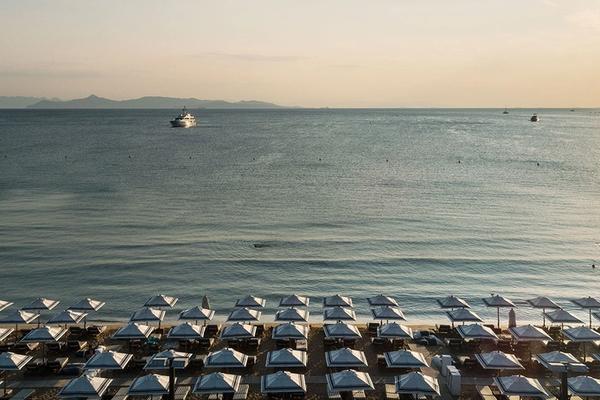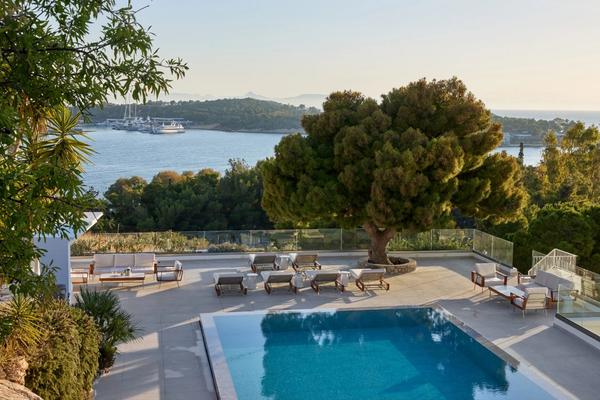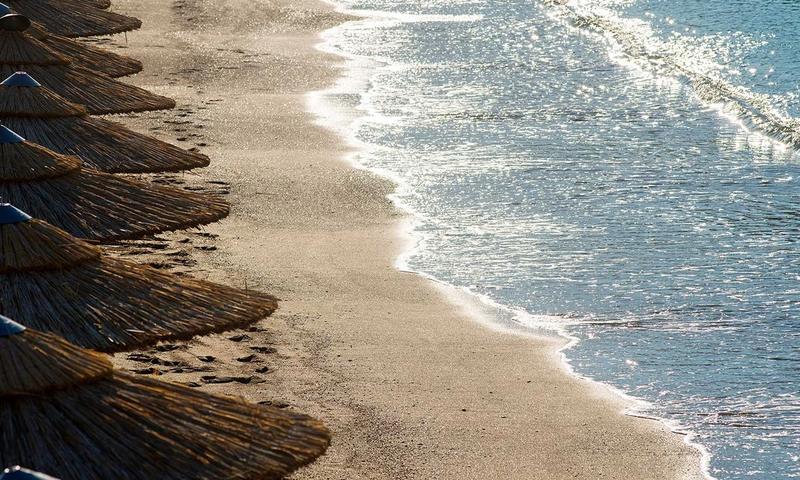

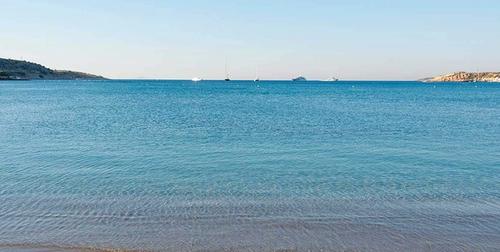
Akti Vouliagmeni Beach.
The most popular organised beach in Attica, open since 1960.
Blue Flag Beach
Since 1960
Akti Vouliagmeni opened in 1960 as the Greek National Tourism Organisation's flagship bathing complex, designed by four architects — Vassiliadis, Sakellariou, Vourekas and Hatzimichalis — on 650 metres of coast 25 kilometres south of Athens. Now managed by HPPC, it remains the most visited organised beach in Attica: Blue Flag water, seven tennis courts, a café-bar, first-aid station, lifeguards, and full accessibility including a sea-access ramp for disabled visitors.
Poseidonos Avenue follows the Athenian Riviera south from the city. Twenty-five kilometres in, it meets Apollonos Street, and the road ends at water. Akti Vouliagmeni opened here in the summer of 1960 — commissioned by the Greek National Tourism Organisation and designed by four architects: Pr. Vassiliadis, P. Sakellariou, Em. Vourekas, and N.P. Hatzimichalis. It entered Athenian life immediately. Songs were written about it. Films were shot on it. Three generations of families have been cooling off here every summer since.
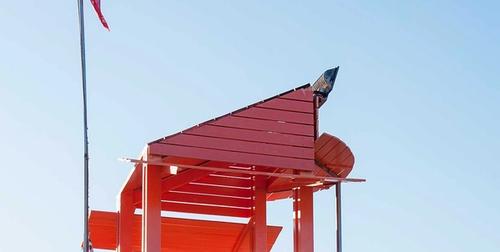
The beach runs 650 metres and holds a Blue Flag every year. Facilities include seven tennis courts, two volleyball courts, a basketball court, beach volleyball and beach tennis courts, the café-bar Oceanida, sunbeds and umbrellas with wi-fi, showers, lockers, and a first-aid area staffed by a doctor. A lifeguard is on site every day. Parking is free. OASA buses stop at the entrance.
Songs were written about it. Films were shot on it. The GNTO opened it in 1960 and Athenians never stopped coming.
HPPC — the Hellenic Public Properties Company — manages the site now, successor to the GNTO, which modernised the infrastructure while keeping admission affordable. It is the only organised beach in Attica with a dedicated sea-access ramp and free entrance for disabled visitors. Reduced fees apply for students, over-65s, the unemployed, large families, and carers of persons with disabilities.
1960
Year
€
Price