Culture
Athens Doesn't Pretend.
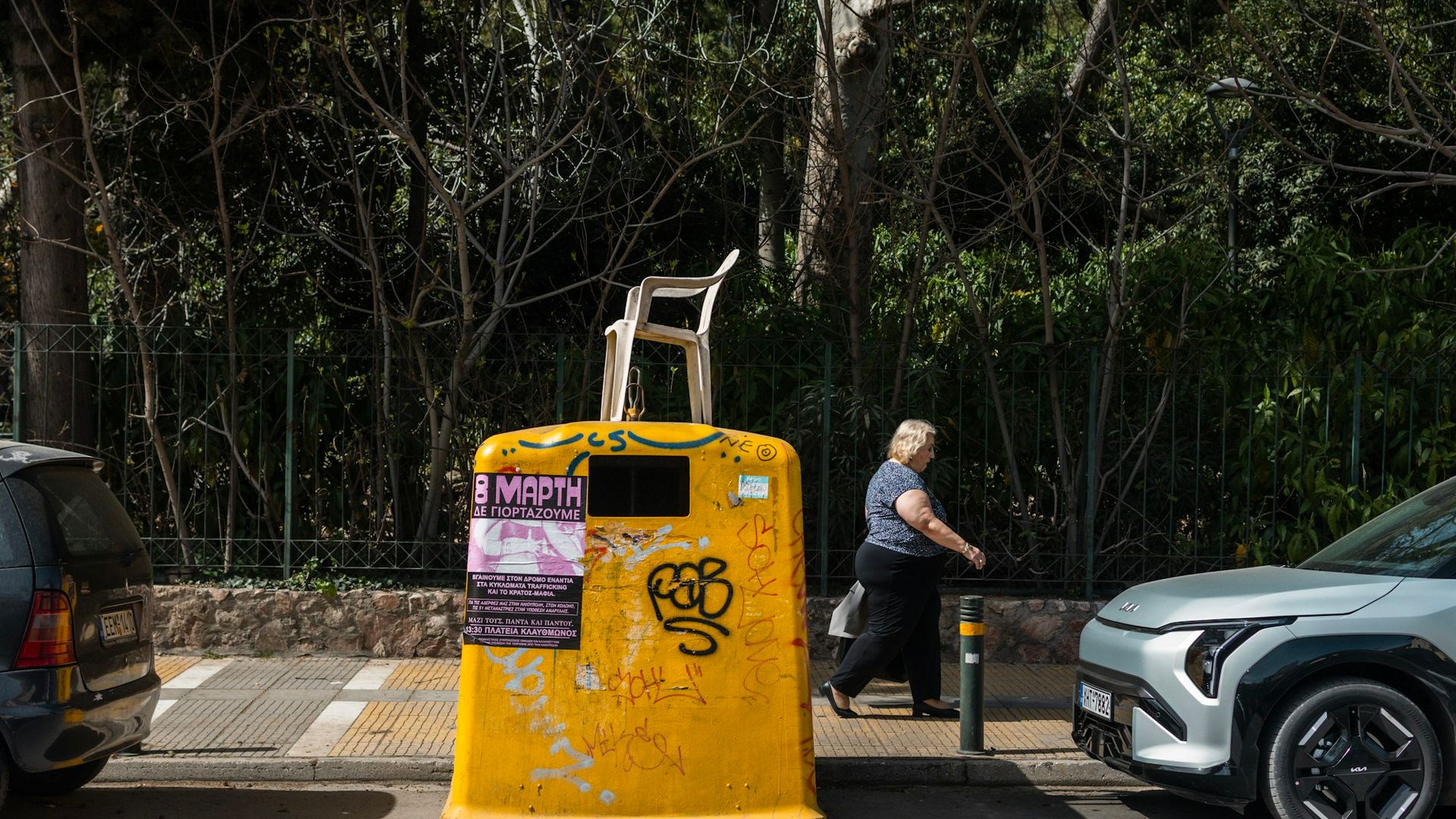
The first thing you see landing in Athens is a sea of concrete apartment blocks covered in graffiti. That's not the city failing to be beautiful. That's the city telling you what it is.
When you land in Athens, the first thing you see — with your Acropolis expectations and your Aegean fever — is a sea of concrete apartment blocks covered in graffiti.
This is not a failure. This is the brief.
Athens is a city that operates on two registers simultaneously and makes no effort to reconcile them. The Parthenon is there. So is the smashed ATM two streets from Exarcheia. The marble is 2,500 years old. The souvlaki on the next block is from this morning. Neither is performing for you.
The Room Below the Postcard
"Athens doesn't hide the dirty aspects of life," says Terpsichore Savvala, a ceramicist who grew up in Exarcheia — the neighbourhood where the anarchist bookshops are still open and the tavernas are still politically charged. "Seeing both the good and bad is far more romantic than pretending everything is perfect."
This is not a new observation about Athens. It is, however, an observation that the city's new creative class has turned into a structural principle.
Hyper Hypo opened in Monastiraki in 2021. It's an art and design bookshop — titles on photography, architecture, fashion, graphic design, chosen without reference to algorithms. The founders: a graphic designer and a former New York Times Style Magazine editor who moved back from New York. Monocle came. The crowd it attracts looks nothing like the tourist strip two streets away. "Athens is exciting because it still feels like you can discover things," as one of the city's regulars puts it. "It's freer. Scenes are being created."
The Small Rooms
Phāon is on Likavittou Street. Opened 2024. Niche fragrances, bespoke objects, flower arrangements in a space designed like a gallery visit. The founders came back from Italy during the pandemic and saw the gap. They called their fashion contacts, who shipped product without seeing the space. That's how it works here: trust first, track record later.
Ninetto Gallery is on Leoforos Alexandras — open four afternoons a week, international programme, co-founded by a Frenchman who arrived and didn't leave. "It's the best light in the world here," he says. Not a pitch. A fact he's tested.
Bar Amore is in Neos Kosmos. Italian music from the 1970s, Greek wines, spritzes, bites. A spritzeria that plays Battisti and pours Assyrtiko and has no business working as well as it does. It does.
Wreck of Angels is in Exarcheia, in a basement. It's been there for years. It plays rebetika — the refugee music, the port blues, the sound that came from Anatolia with the displaced Greeks of 1922. Haroula Giavara takes visitors there when she wants to show them something real. "It's been there for many, many years," she says. That's the point.
The People Who Stayed
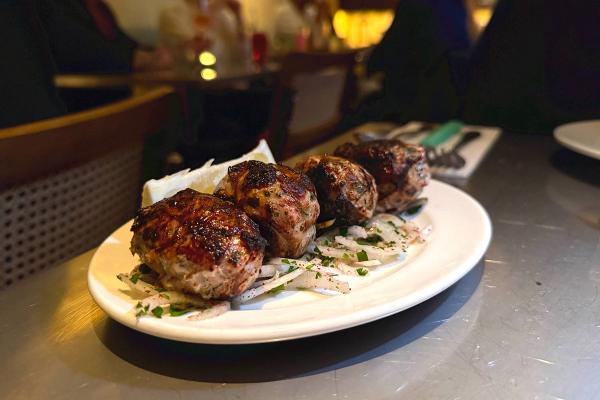
Ari Vezené has been cooking in Athens since before it was interesting to write about. He opened Manári at the end of 2024 — a neo-taverna near the Varvakios Market, centred on whole-animal butchery and the smallholders who raise the meat. Beef heart in tomato water. Grilled lamb kidneys. "I got heat for doing things differently in 2011," he says. "Whereas now this is the norm."
The 2009 economic crash did something to the city that slow growth never could: it created space. Rents collapsed. Artists needed space and light. Galleries opened. Bars didn't need to be profitable in month three. The friction — the chaos that makes Athens both ugly and impossible to leave — became the conditions of production.
What the City Shows You
Some call it Berlin on the Med. That's not quite right — Berlin has an ideology, a self-consciousness, a scene that knows it's a scene. Athens doesn't have that. It has a flea market at Eleonas metro that starts at 9am on Saturdays. Bring cash. Go early. Some people come straight from a club that started at midnight and didn't stop.
The city has 300 days of sunshine and a culture that views sitting at a café terrace not as an indulgence but as a way of life. The new wave of creative energy running through it is real — but it exists alongside a rental crisis, a conservative government, staffing shortages in restaurants, and a road to the airport that took forty-five minutes even in 1985.
None of that is hidden. The graffiti is on the first buildings you see landing. The rebetika bar in Exarcheia has been there for years. Katsimbalis talked all night in Marousi in 1939 and Henry Miller called it the most important experience of his life.
The city hasn't changed its offer. It still shows you everything and doesn't apologise for any of it.
That is, if anything, its most contemporary quality.