Food
The Greek Pantry.
Greece has one of the great food cultures on earth. For forty years it served tourists moussaka. That is now ending.
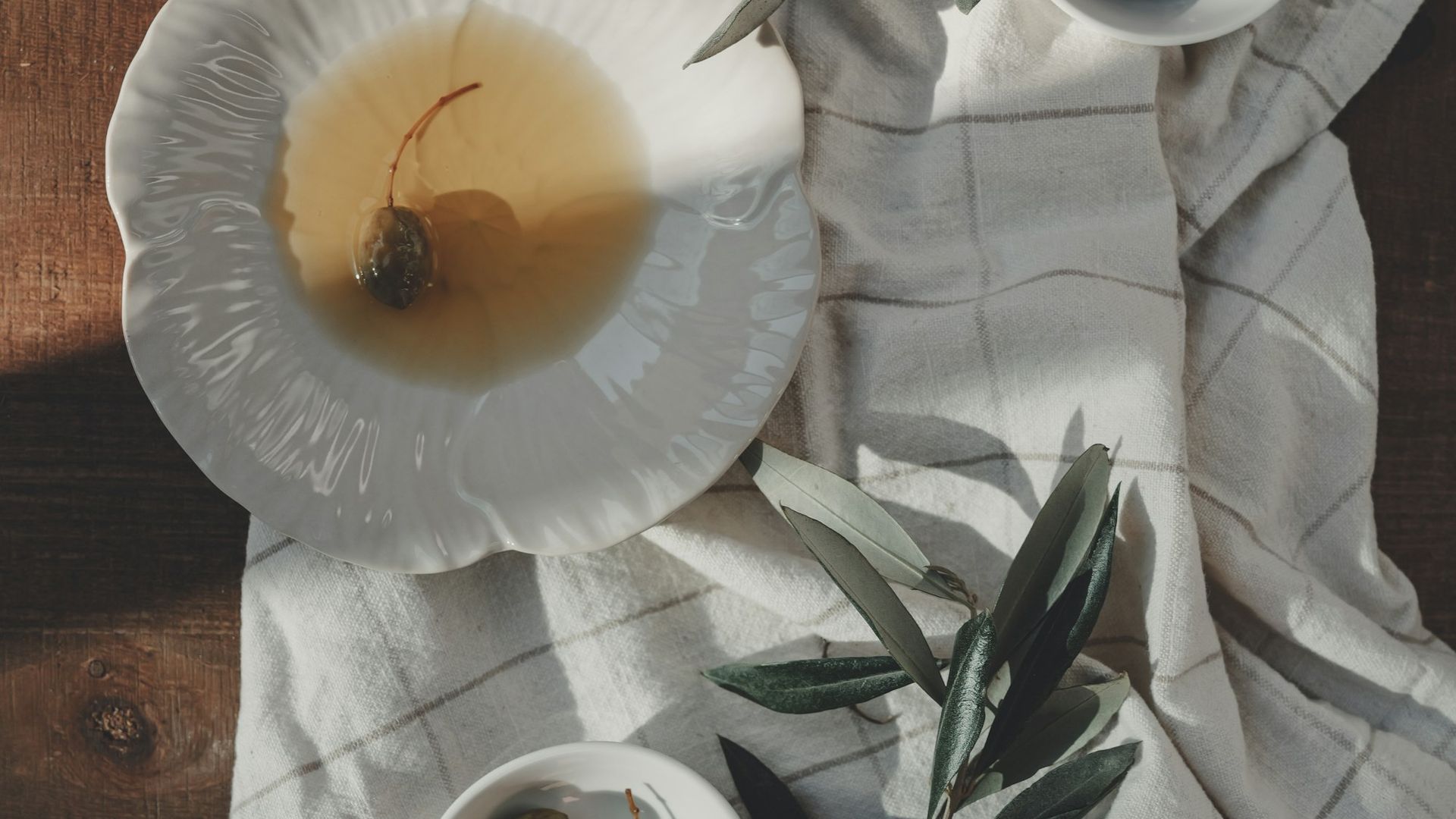
The olive trees in the grove outside Sparta are, according to the people who own them, over two thousand years old. This is possibly true. The oil they produce is grassy, slightly bitter, extraordinarily alive. Most of it is sold in bulk to Italian companies who blend it with oils from other regions and sell the result under Italian labels. This has been the arrangement for decades. Greece produces; someone else sells.
This is the short version of the history of Greek food.
The longer version is more complicated and more interesting. Greece has, by any objective measure, one of the great food cultures of the Mediterranean. The geography — a peninsula and two thousand islands, alpine mountains and coastal plains, volcanic soils and limestone plateaus — produces ingredients of startling variety and quality. The climate does the rest. What Greek food needed, for most of the twentieth century, was not better ingredients. It needed someone to pay attention to what it already had.
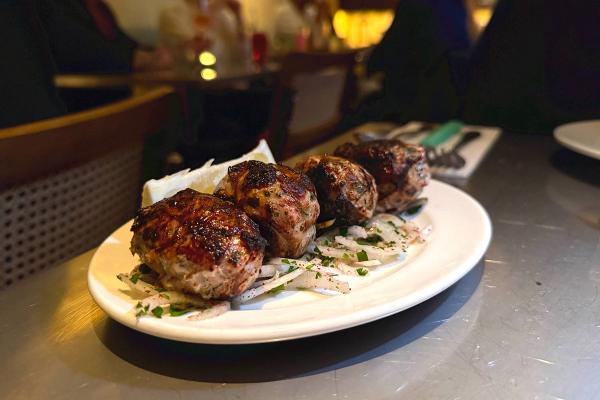
The problem was, in part, the tourist economy. From the 1960s onward, Greece served its visitors a simplified version of its own cuisine: moussaka, souvlaki, Greek salad. These are genuinely good dishes. They are also not the full picture. The dishes that required patience — the slow-braised lamb with quince, the chickpea stew that takes two days, the preserved cheese sitting in olive oil in a terracotta pot — were too complicated, too regional, too difficult to explain to people who had only a week. The simplified menu calcified.
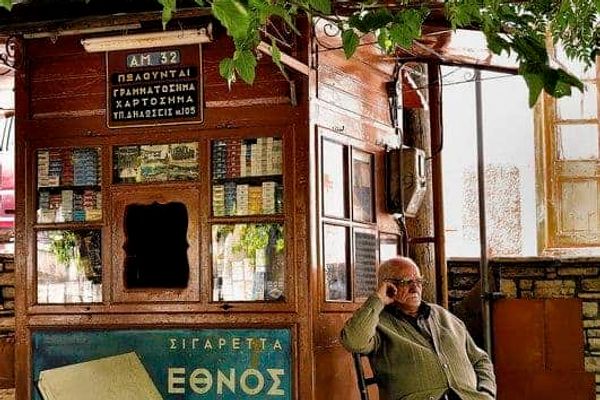
Meanwhile, the underlying culture persisted. In villages across Crete, Epirus, the Mani and the Cyclades, grandmothers were still making the real food. Foraging horta — wild greens that grow at the edge of fields and along roadsides — and blanching them with olive oil and lemon. Making trahana, the fermented grain paste that is one of the oldest preserved foods in the Mediterranean. Brining olives according to methods that predate the Roman Empire.
What has changed in the last decade is that their grandchildren came back.
Not all of them. Not most of them. But enough — young Greek chefs who had worked in London, Copenhagen, New York, who understood what the international food world was now valuing (provenance, fermentation, forgotten techniques, local supply chains), and who came home to find that Greece had everything those cities were trying to fabricate from scratch. The mastic from Chios — the original chewing gum, now appearing in everything from cocktails to ice cream to slow-cooked lamb. The fava from Santorini: yellow split peas grown on volcanic soil with a mineral depth that is unlike anything produced elsewhere. The graviera aged in Cretan cellars. The Xinomavro grape from Naoussa that produces wine of genuine complexity, still underpriced, still mostly drunk by people who live near where it is made.
The discovery, for many of these chefs, was embarrassing in retrospect. They had been abroad sourcing obscure ingredients when the obscure ingredients were the ones their families had been using for generations. The Italian restaurant in London was using Greek olive oil without knowing it. The Scandinavian tasting menu was fermenting grains that Greek housewives had been fermenting for centuries under a different name.
The reversal is happening at both ends. In restaurant kitchens, a new generation is building menus around the Greek pantry: what grows here, what is made here, what the land and sea produce in this specific place. The dishes that result don't look like the tourist menu. They look like what Greece was eating before it started explaining itself to visitors.
At the household level, the change is slower but more significant. The farmer's markets that have proliferated across Athens in the last decade are not selling novelties — they are selling what Greek families have always wanted to buy: the cheese from the specific shepherd, the olive oil from the specific grove, the herb that only grows in the Taygetos mountains. The supply chain shortened. The middlemen are fewer. The product that reaches the table is recognisable in a way it hasn't been for a long time.
None of this is nostalgia, or at least the best version of it isn't. The chefs doing the most interesting work are not recreating the grandmother's recipe unchanged. They are using what the grandmother knew — the fermented grape must, the sun-dried tomato paste, the aged cheese — as material for something that belongs to now. The Greek pantry is not a museum. It is a larder that was locked for fifty years and is now, at last, open.
The olive trees outside Sparta are still producing. The oil is still the best in the Mediterranean. This time, someone in Athens is keeping some of it.