Culture
The Man Who Made Athens Necessary.
Henry Miller came to Greece for two weeks in 1939. He stayed four months. The book he wrote about it he called the best thing he'd ever done.
Lawrence Durrell sent for him. Come to Corfu, he wrote. Leave Paris. Miller came in July 1939, two months before the war. He arrived in Greece skeptical of ruins — he'd seen too many in too many countries — and left convinced that Greece was the most important experience of his life.
The Colossus of Maroussi was published in 1941. Not Tropic of Cancer, not Black Spring, not Sexus. This one. The one with no sex, no outrage, no Brooklyn. Just Greece, before it was bombed.
The Colossus
The colossus of the title is a man: George Katsimbalis, a Greek poet and raconteur Miller met in Marousi, then a village north of Athens. Katsimbalis talked all night. He talked about poetry and wine and the war coming and the smell of the earth in Attica after rain. Miller listened. The book is essentially that conversation stretched across a landscape — Athens, Epidaurus, Mycenae, Crete — and then compressed into 244 pages by someone still shaking from what they'd seen.
What Stays
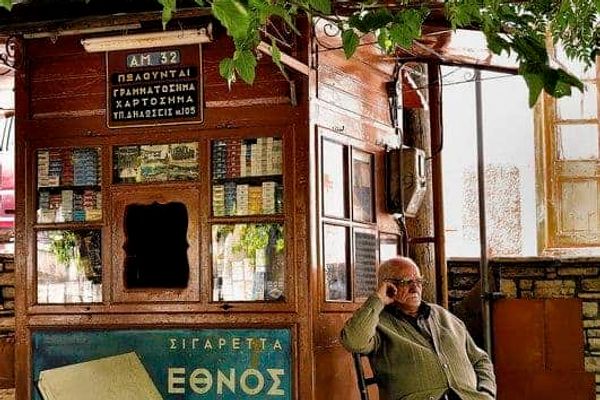
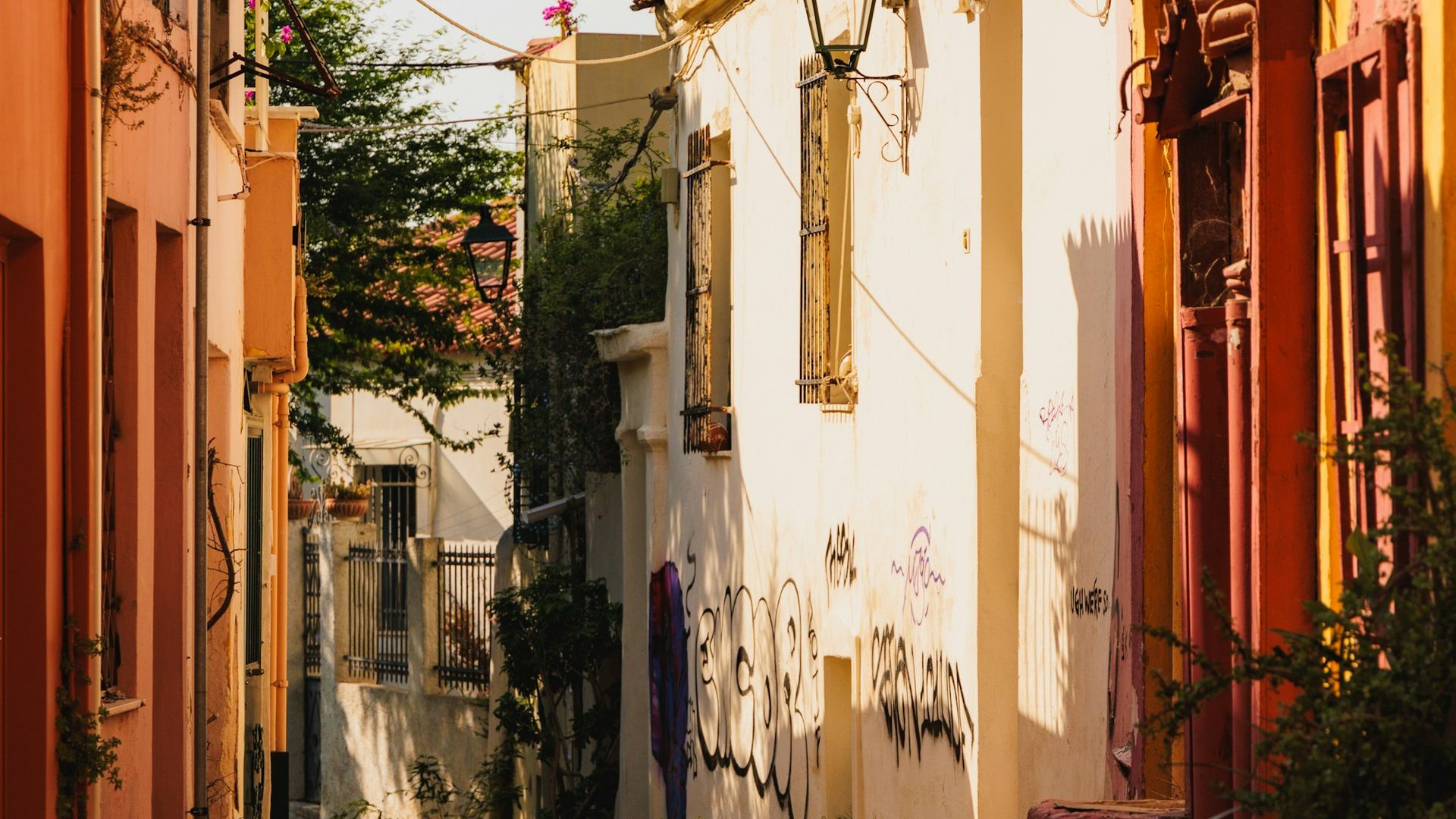
What stays is the quality of attention. Miller arrived in Athens and stopped performing. He climbed the Acropolis alone at midnight and didn't write about the columns. He wrote about the sky pressing down. He walked through Monastiraki before it was a tourist strip and described it as a place where everything human was on display, none of it apologetic. He ate in places that didn't have menus and didn't have names and thought this was the most civilised thing he'd ever encountered.
The light is everywhere in the book — not as a cliché but as a physical fact Miller kept bumping into. "The light of Greece opened up my pores," he wrote. He had the same thought that Romain Bitton, co-founder of Ninetto Gallery, had when he arrived in Athens in 2024 and stayed: that it's the best light in the world. Not metaphor. Observed fact, eighty years apart.
Marousi Now
Marousi is a northern suburb today. The village centre still exists — a plateia, a kafeneio, old buildings that haven't been torn down. The Athens Olympic Athletic Centre is fifteen minutes' walk from where Katsimbalis held court in 1939. Get off at Marouso on the Metro's green line. Walk south into the old grid. The street patterns are still roughly what they were.
The Katsimbalis house is gone. The conversations aren't.
Find the Book
The Colossus of Maroussi goes in and out of print. It is worth whatever it costs and whatever trouble it takes. Read it before you land, or after. Either way, it will change what you see when you look at the Acropolis from a rooftop at dusk and think you've understood the city.
You haven't. Miller came for two weeks and stayed four months, and he still said he'd only scratched the surface.
That's about right.