Culture
The Ones Who Left.
They built careers in London, Frankfurt, Amsterdam. Athens is the city they talk about at dinner — and the one some are starting to reconsider.
They went to London, Frankfurt, Amsterdam, Zurich. They built careers, got promoted, had children in schools where homework comes home in German. They call their parents every Sunday. Athens is the city they talk about at dinner — the one that gets more interesting in the telling as the years accumulate.
The Departure
The numbers were reported with precision: 427,000 Greeks emigrated between 2010 and 2016. The real figure is higher and less clean — people who left for six months and are still gone twelve years later, people who left in 2007 before the crisis gave them a reason and found themselves inadvertently ahead of it. People who left and came back and left again.
Most of them left because there was no work. Some left because there was work but it paid a third of what it would in Germany, and the gap was widening. A few left because staying felt like failure and they were twenty-six and could not yet distinguish between a city in crisis and their own trajectory.
I left because there was no work. I stayed because there was a life. Those are two different reasons and I am not sure the second one would have happened without the first.
— Structural engineer, Frankfurt
The Suspension
The particular condition of the Greek abroad: too long gone to feel at home in Athens, too Greek to disappear into the city they live in. A suspension between two places that belongs fully to neither. You carry a version of the city that is already a decade out of date, and when you go back and the city has moved, the feeling is disorientation masquerading as nostalgia.
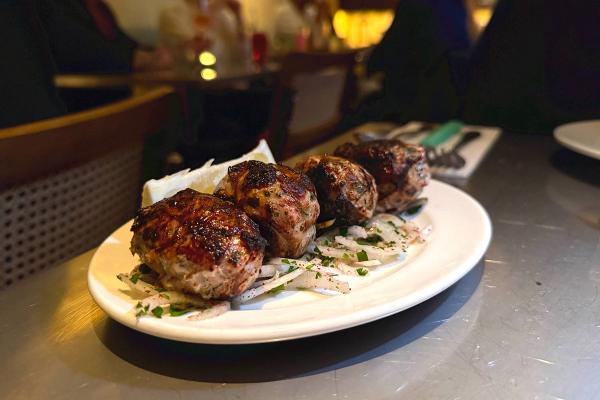
This is not exclusively Greek. But Greece concentrates it — the pull of the specific landscape, the specific social texture that does not export well. You can find good Greek food in London now. It is not the same thing and everyone knows it. The thing you miss is not a dish. It is the table, and the hour, and the particular way the evening has no fixed end.
What They Built
The diaspora built things. Greek architects in the best practices in London and Rotterdam. Greek economists writing policy at the IMF and the ECB. Greek doctors in NHS consultant roles, Greek programmers at companies in Berlin and Amsterdam that would not exist in their current form without them. Greek academics tenured at UCL and MIT and ETH Zurich.
None of this came back to Greece during the worst years in any organised way. What is beginning to happen now is less structured: investment in Athens startups from Greek partners at European funds, expertise flowing back through consulting arrangements, people in their late thirties who have made enough money abroad to be curious about what they might do at home.
The Calculation Changing
Remote work changed the arithmetic. For a decade, staying in Athens meant a salary calibrated to a Greek market — less than a third of what the same work paid in Frankfurt. Remote work decoupled location from salary. Suddenly Athens was not an economic sacrifice. It was a choice.
I can work remotely. My parents are getting older. Athens has good coffee now. The calculation changed.
— UX designer, returning from Amsterdam
Some are coming back. Not all the way — many maintain the apartment in Amsterdam, the office relationship in Berlin, the sense that Europe is still the operating environment. But Athens is being reconsidered. The ones who left are watching the city from a distance, reading about what is being built, tracking the restaurant openings and the architecture practices and the startup funding rounds. Interested. Not quite ready. Returning every summer to a city that is no longer exactly what they remember, and finding that gap easier to close than it was five years ago.
What the City Needs Back
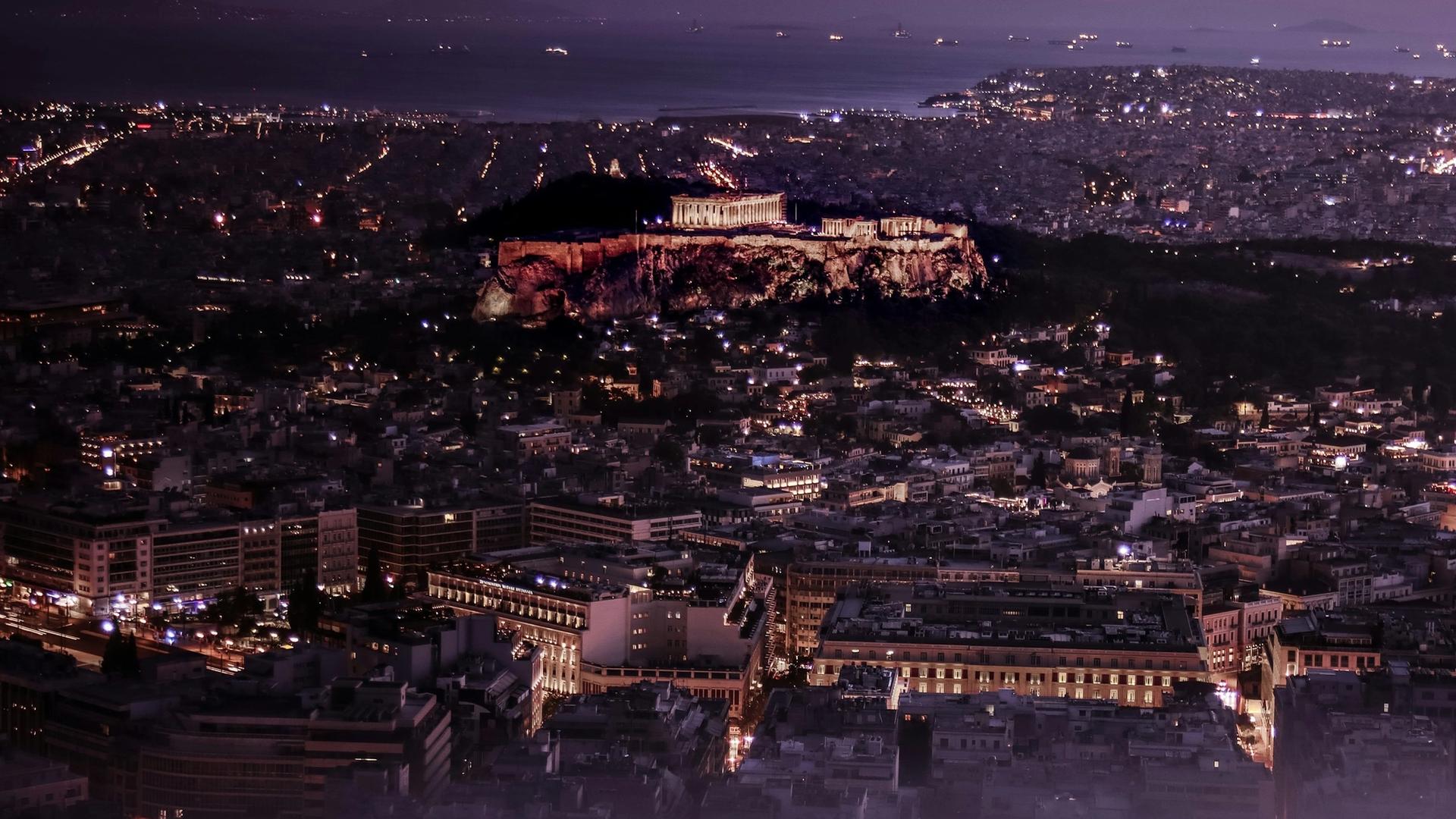
Athens in 2026 is a city that could absorb them. The infrastructure is better than it was. The food and cultural scenes are serious. The cost of living, while no longer the emergency bargain of 2013, remains lower than any comparable European capital. What the city built in the crisis years — the restaurants, the practices, the studios, the general sense that something interesting is happening — is the thing that makes return feel possible.
The ones who stayed built the city the ones who left are now considering returning to. That relationship is not uncomplicated. But it is, at minimum, a conversation that is happening.