Culture
What Elliniko Is Costing.
The largest urban development in European history is being built on Athens' coastline. The city is only now beginning to understand the terms.
The old airport has been closed for twenty-three years. If you drove past it in 2010 or 2015 or 2019, you saw the terminal buildings still standing — the Olympic terminal from 1969, the West Terminal with its cracked tarmac, the control tower going slowly derelict behind a chain-link fence. On one runway section, the government housed refugees for a period. On another, someone had painted a mural. The land sat and aged and argued about itself.
The land is six hundred and twenty hectares. It sits on the Athens Riviera coastline between Glyfada and the city, with direct access to the sea and direct access to the southern motorway. In any European city, this would be among the most valuable undeveloped land on earth. In Athens, it was a ghost.
In 2021, after years of negotiations that preoccupied several governments, Lamda Development — backed by a consortium including some of the wealthiest families in Greece — finalised the acquisition and began work. What they are building is: a casino resort operated by Mohegan, an American gaming company. A park described as the largest in Europe after Hyde Park. A marina. Several thousand units of luxury residential. A tower that will be the tallest building in Greece. A retail and hospitality district. A new neighbourhood on the edge of a city that already has more neighbourhood than it knows what to do with.
The pitch is that Elliniko will transform Athens into a world-class destination in the manner of Dubai, Singapore, or the renovated Barcelona waterfront. The investment is enormous. The ambition is real. The renderings are the colour of money.
Here is what the renderings don't show.
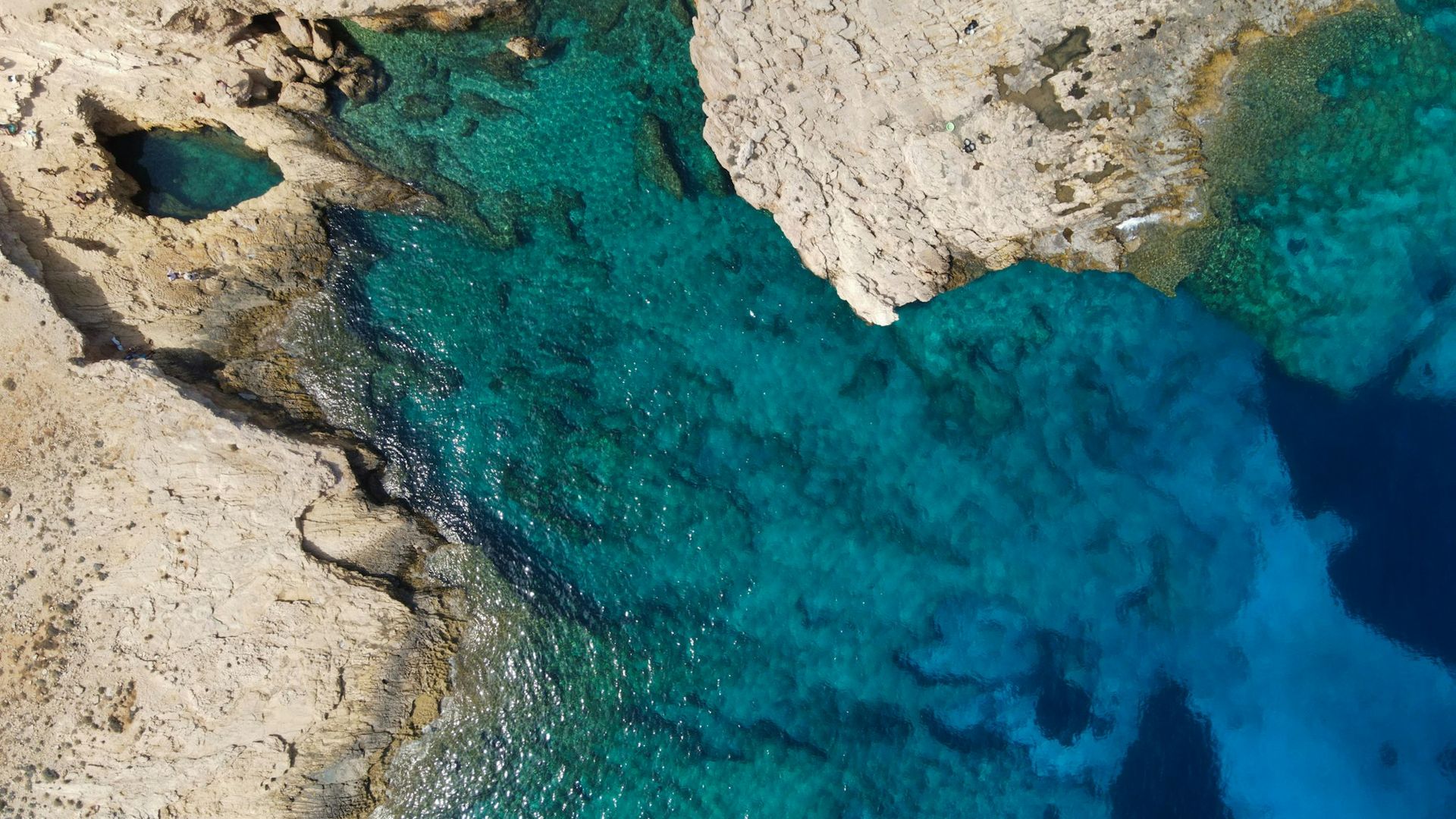
The coastline that Elliniko is being built on was, before 2021, accessible to anyone. It was derelict — the beaches were unofficial, the facilities non-existent, the experience somewhere between abandoned and beautiful. But you could walk there. You could swim there. Athenians who couldn't afford the paid beaches of Vouliagmeni or Astir went to the Elliniko coastline because it was free. That coastline is now enclosed.
The park will replace it, officially. The park will be public, the developers say. Thirty hectares of landscaped space open to all. This is true. It is also true that a landscaped park surrounded by luxury residential and a casino resort has a particular social temperature that a free beach does not.
The question that Athens is not quite asking — because the investment is too large and the need too real — is what kind of city Elliniko is building. The developments held up as precedents — the Barcelona waterfront, London's Docklands, the Dubai Marina — are not unqualified successes. Barcelona's Barceloneta neighbourhood, gentrified in advance of the 1992 Olympics, is now a tourist monoculture. The Docklands produced Canary Wharf, which is magnificent and sterile. Dubai produced Dubai, which is a thing you can admire and not live in.
Athens is not Dubai, and Elliniko is not trying to be. But the logic of the project — take an exceptional site, invite maximum private capital, build at maximum density, capture value through luxury — is the same logic that has produced these outcomes elsewhere. The question of who the new neighbourhood is for has not been answered in any of the planning documents in a way that is convincing.
There is a more fundamental argument, which is that Athens needed this. The land was truly rotting. The infrastructure of the southern coast required intervention at a scale that only private capital could provide. The employment generated by the construction phase alone is measurable. The tax revenues will fund public services. The alternative to Elliniko was not a beautiful free public beach — it was twenty more years of chain-link fence and dereliction.
This argument is honest. It is also, if you examine it carefully, a description of the bind that cities fall into when they have allowed public assets to decay to the point where only private capital can rescue them. The land was held publicly for twenty years and nothing happened. The private sector is now doing what the public sector could not. The cost of that transfer is being paid in perpetuity, by the future residents of Athens, in access to their own coastline.
Elliniko will be built. The casino will open. The tower will be the tallest in the Balkans. The park will be photographed by international design press. And Athens will have traded something irreplaceable for something impressive, and the city's relationship with its coast will never be quite what it was — informal, accidental, free.
The site is six hundred and twenty hectares. Decide for yourself whether the terms are fair.