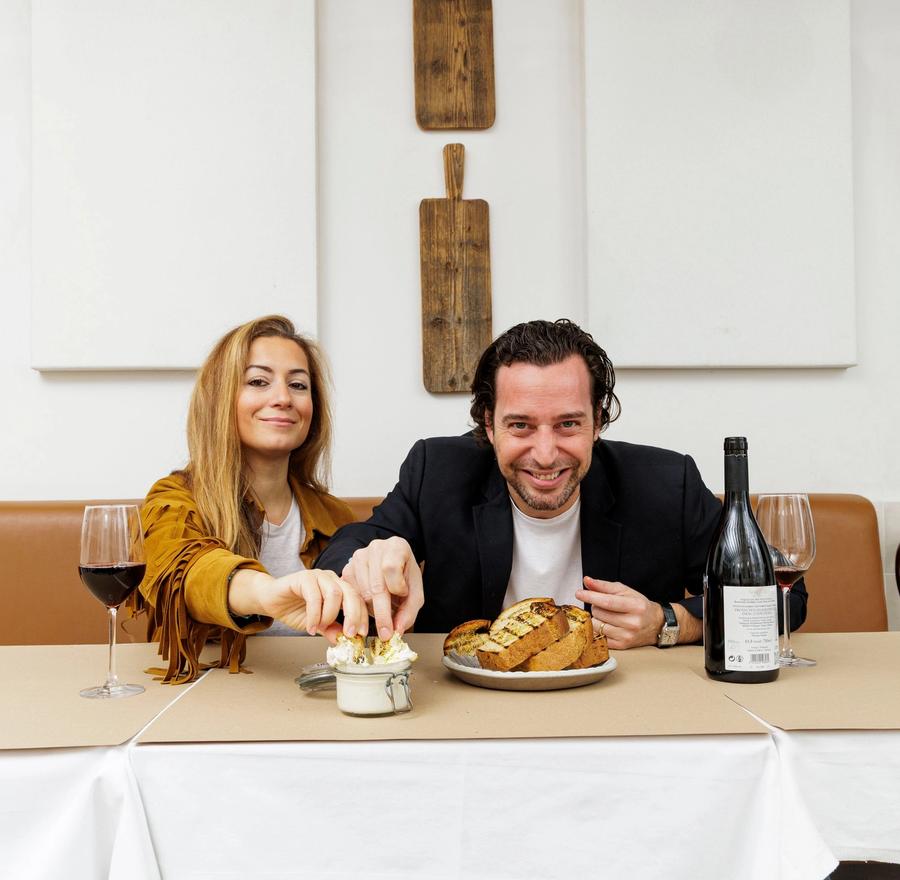
There is a version of Greek food that has existed in London for decades. It involves a moussaka that has been sitting under a heat lamp since the morning, a Greek salad with feta that was not Greek, and a bottle of Mythos served as a cultural signifier. This version of Greek food did to Greek cuisine what the Americanised pizza did to Neapolitan, what the California roll did to Japanese: it created a parallel dish, recognisable by name, unrelated by substance, and popular enough to crowd out the original.
“I wanted to show people what really good Greek food is. And what it is and what it’s not — because there were a lot of misconceptions.”
Christina Mouratoglou grew up in Thessaloniki and Athens. She did not have a restaurant background. What she had was a lifelong obsession with actual Greek food — what it tasted like at the source, what it required to do properly, and how far the London version had drifted from it. When she and Adrien Carré opened Mazi in Notting Hill in 2012, she was explicit about the problem she was solving. “I wanted to show people what really good Greek food is,” she has said. “And what it is and what it’s not, because there were a lot of misconceptions at the time.” The scene in London at that point was, in her description, “very basic.” Mostly Cypriot-influenced, because Cypriot immigration had shaped the category since the 1960s. Honest cooking, but not mainland Greek cooking, and not the same thing.
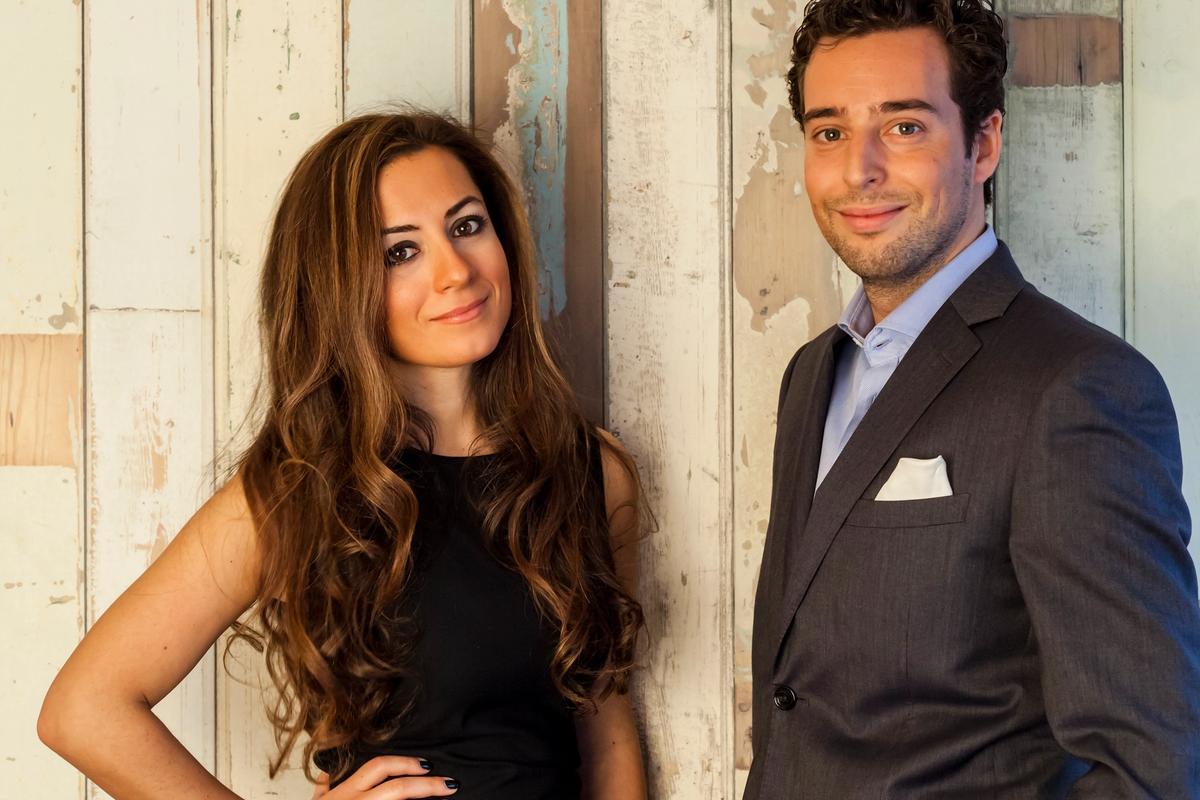
Mazi changed that. Alain Ducasse called it “probably the best Greek restaurant in England.” The Greek royal family became regulars. Seven years later came Suzi Tros. Fourteen years after opening Mazi, Mouratoglou opened Maza in Mayfair — her most ambitious project yet, and her clearest statement: a 1980s Athenian taverna, reconstructed from family recipes and personal memory, with her grandmother’s handwritten dishes on the walls, tsipouro to open the meal, and a wine list of over 150 exclusively Greek labels. “In Athens, we sit and sip tsipouro all afternoon over seafood,” she says. “It’s a ritual I want to bring to London.”
What she is doing is the same thing that happened to Japanese food when Nobu arrived in London in 1997, or to pizza when Neapolitan producers started pushing back on what had been done to their product globally. The original re-introduced. Not as nostalgia. As the standard the copies had always been measured against, now finally present in the room.