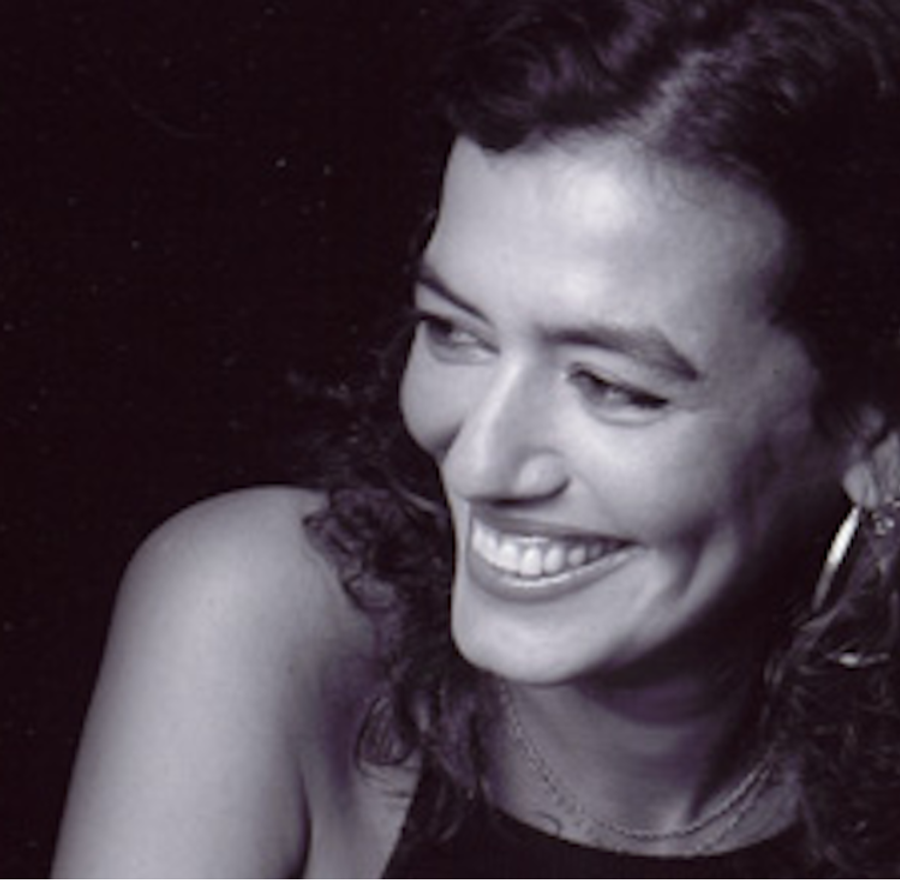
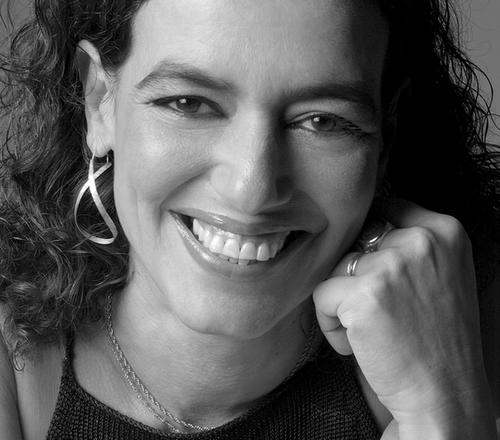
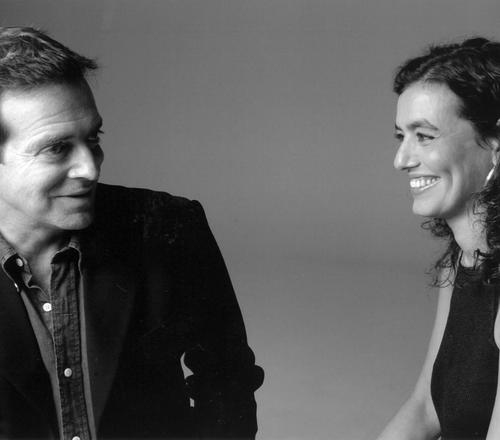
Maria Kokkinou (died 2022) was one of the defining Greek architects of her generation. She studied architecture at the National Technical University of Athens, took a master's in 1981, and earned a doctorate from the Bartlett in London in 1986; in between she worked at Rem Koolhaas's OMA in the early 1980s. From 1992 she taught as a professor at the NTUA. In 1987 she founded Kokkinou-Kourkoulas Architects with her husband and partner Andreas Kourkoulas, and over the following decades the Athens practice became one of the clearest exponents of Greek regional modernism — architecture attentive to site, climate, material, and the texture of everyday life.
“A treasure chest, with a sky above the centre of it.”
The building that fixed the practice in every architecture survey was the Benaki Museum on Pireos 138. The brief, around 2001, was awkward in the best way: turn a 1950s car dealership in a still-industrial stretch of Athens into the museum's contemporary wing. Kokkinou and Kourkoulas answered with a closed, almost windowless brick box turned inward on itself — then cut a courtyard into its centre, open to the sky. A treasure chest with a sky above the middle of it. It opened in 2004, in time for the Athens Olympics, and took the Institute of Greek Architects' top award in 2006. Pireos 138 did as much as any single building to pull the city's cultural centre of gravity west, into Gazi and beyond.
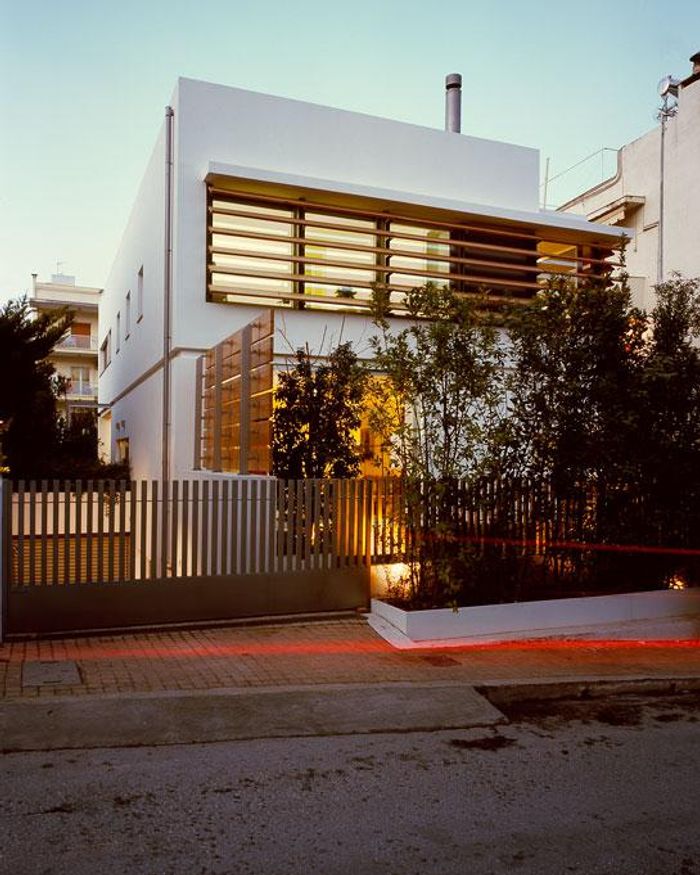
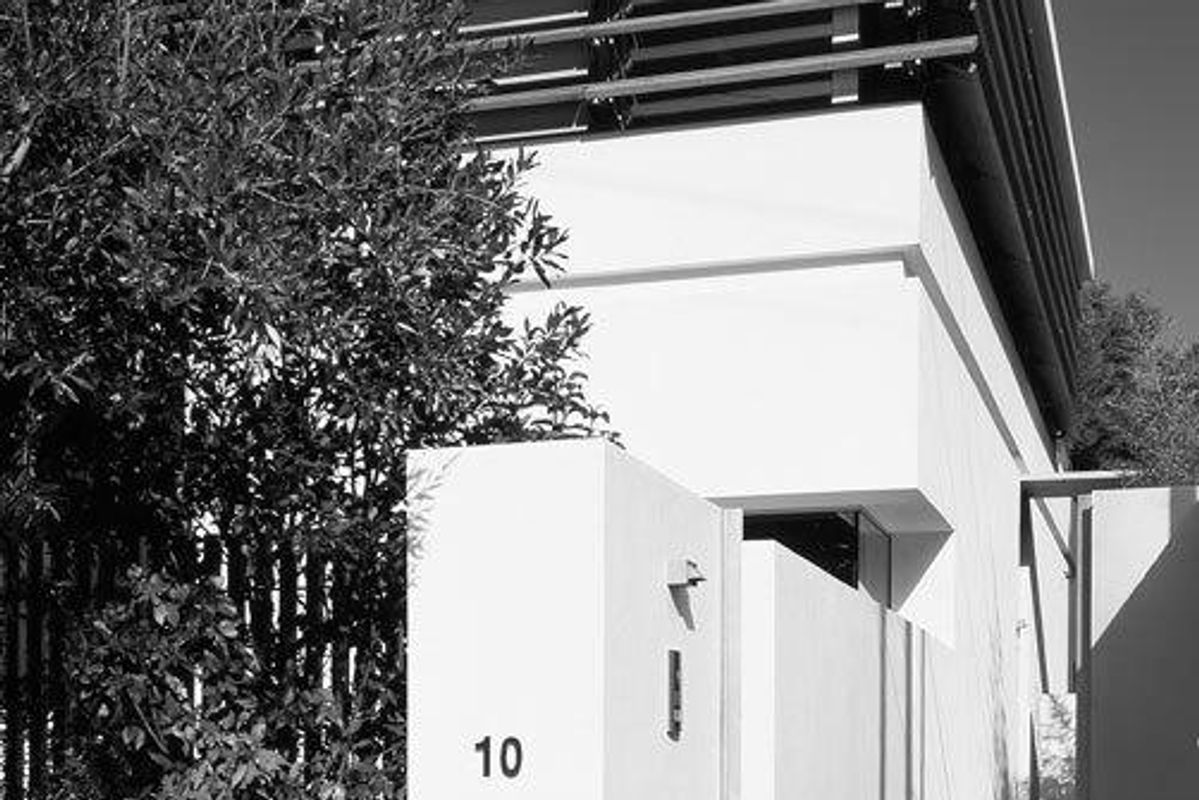
Beyond the museum, the practice built a reputation for island summer houses — the Tzia (Kea) house among the best known — reading cliff and light as carefully as any programme. Kokkinou-Kourkoulas continues under Andreas Kourkoulas. Maria Kokkinou's part in it — the rigour, the humanist streak, the insistence that a building should make everyday life legible — is written into the work.