
Ask anyone in London who has eaten Greek food at a tourist-facing restaurant what moussaka tastes like. They will describe something beige, heavy, institutional — a dish that arrived on the plate having been simplified, scaled, and held at temperature until any connection to the thing it was named after had evaporated. The same happened to sushi before the Japanese pushed back. The same happened to pizza before the Neapolitans did. Ethnic cuisines, exported without their context, tend to become something else entirely. Recognisable by name. Unrelated by substance.
“It’s about capturing the energy of the tavernas I knew in Athens. Not recreating them. Bringing them.”
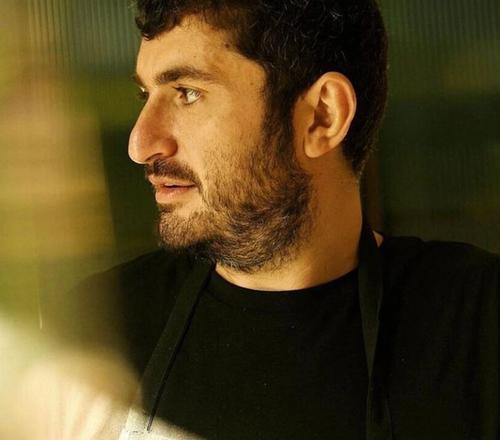
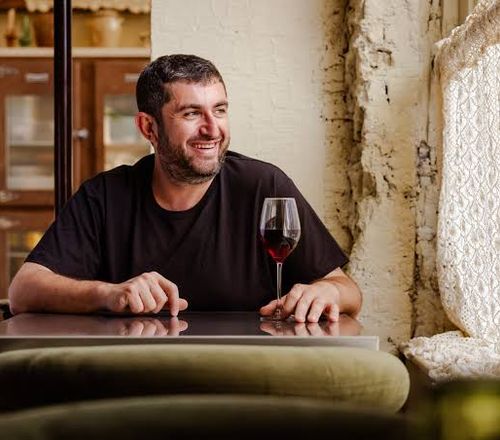
Nick Molyviatis was born in Athens, where moussaka is not beige and heavy. He left to build a career in London’s kitchens that had nothing to do with Greek food — he became one of the defining figures of contemporary Thai cooking in Britain, as head chef at Kiln when it was named the UK’s best restaurant in 2018, then co-owner of Singburi in Shoreditch. The logic of an Athenian running the kitchens that shaped modern Thai dining in London is its own argument about what a serious chef can do with a cuisine that is not theirs by birth.
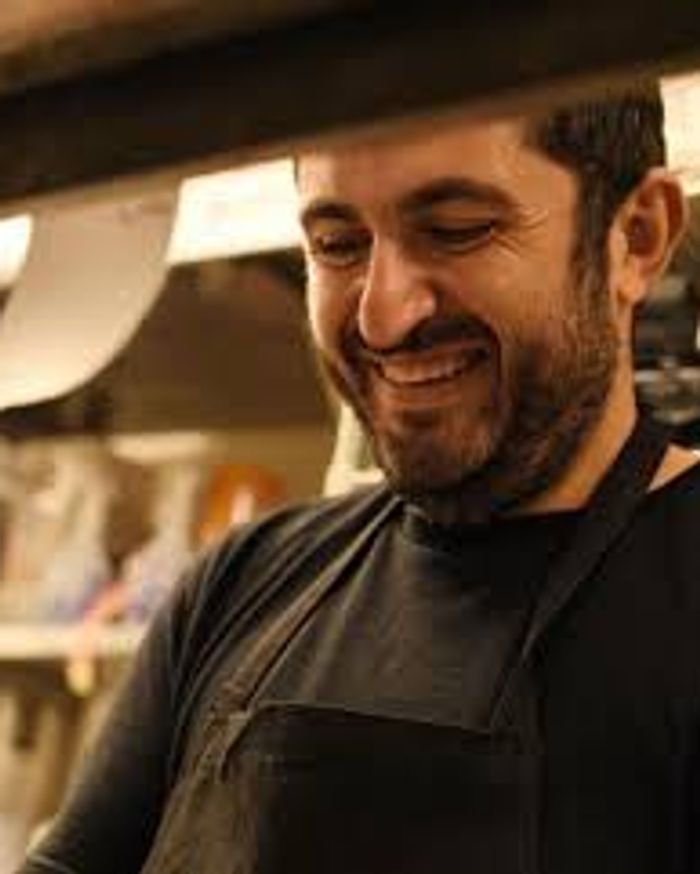
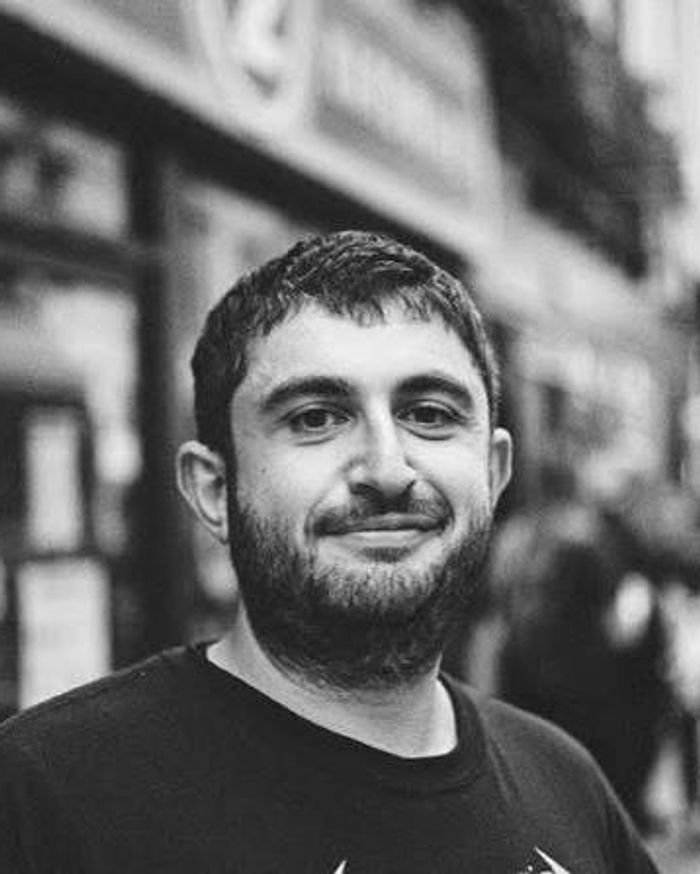
What he had been trying to do since before the pandemic was return to his own. A first attempt working with David Carter on OMA and AGORA ended before it properly began. The second attempt was Zylia, which opened in May 2026 on Bedford Street in Covent Garden, in partnership with Barry Karacostas, who brings Cypriot heritage and two decades of hospitality experience.
The menu at Zylia is not a reinvention. It is melitzanosalata, tyrokafteri, charcoal-grilled lamb, sheftalia, whole fish, kaimaki ice cream with sour cherries. Family recipes. Dishes that have existed for generations, now treated with the sourcing rigour and kitchen discipline that London’s Thai and Japanese restaurants had long applied to their own traditions. Lygias halloumi. Kostarelos six-month barrel-aged feta. Charcoal at the centre of every protein. The original, re-introduced — not as a cultural exhibit, but as dinner.
“For me, it’s about capturing the energy of the tavernas I knew in Athens,” he said at the opening. The Guardian and The Standard reviewed it within weeks. The room has been full since. London, it turns out, was ready for the actual thing. It usually is, once someone bothers to bring it.