Culture
The Athens Pipeline. What London’s New Greek Restaurants Actually Owe to Greece..
The best of London’s new Greek restaurants isn’t really London at all. It’s Athens, imported with varying degrees of fidelity by chefs who either grew up there or went back to understand why the city’s dining scene had quietly become one of the most interesting in Europe.
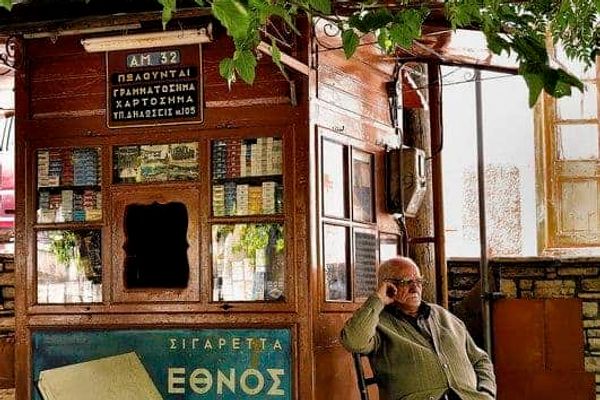
Athens in 2026 does not look like Athens in 2010. The city that spent most of the crisis decade contracting has spent the last five years building a food and culture scene that draws directly from its own history — not the mythology-and-ruins version, but the specific, neighbourhood-level taverna tradition that survived the boom years by being too stubborn to change. The neotaverna movement — serious chefs working with grandmothers’ recipes, applying kitchen discipline to everyday dishes, treating Greek wine as the complex category it actually is — is the backdrop against which London’s current moment needs to be read.
Nick Molyviatis on Bringing Athens to Covent Garden
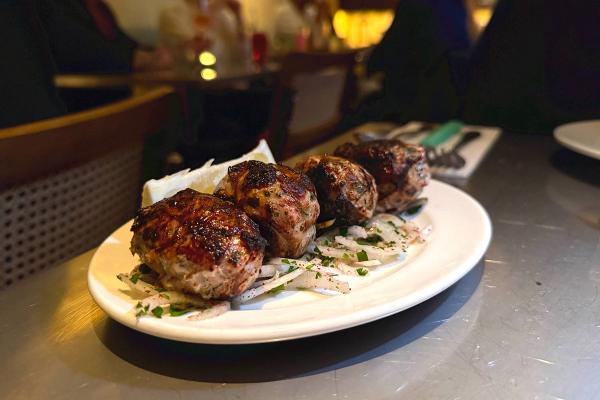
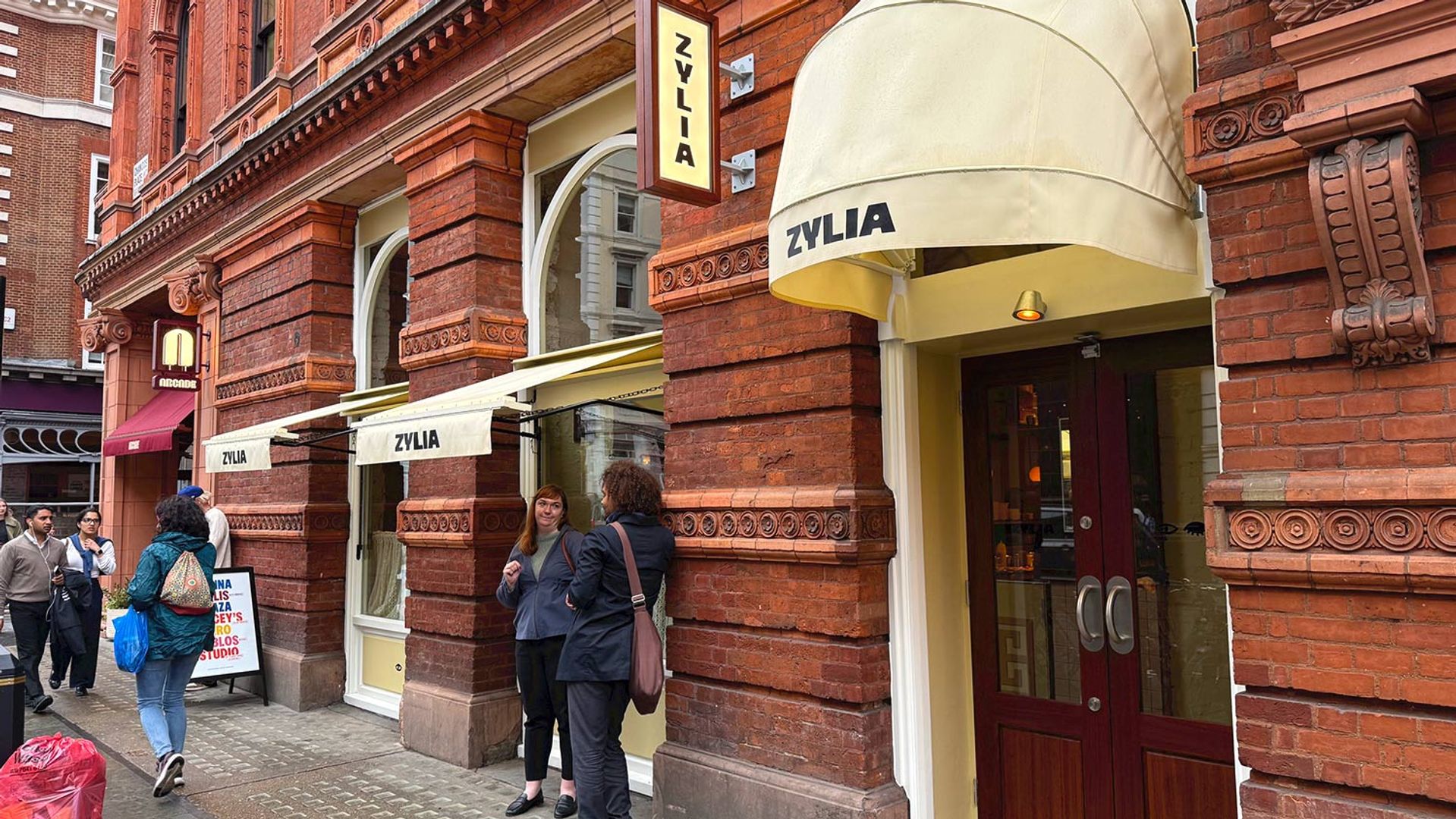
Nick Molyviatis was born in Athens. He built a decade-long career in London’s Thai kitchens — Kiln, named the UK’s best restaurant in 2018, then Singburi. When he finally opened something of his own, it was a Greek restaurant. Zylia (@zylia_taverna) on Bedford Street in Covent Garden, in partnership with Cypriot-heritage operator Barry Karacostas, opened in May 2026. The menu is melitzanosalata, tyrokafteri, grilled prawns, lamb chops, kleftiko, whole fish, walnut cake, semolina custard in filo. The taverna menu, executed with the standard of a kitchen that has nothing to prove.
“Zylia is a very personal project. It’s about honouring the traditions we grew up with — the dishes, flavours and stories that have been passed down through our families.” — Nick Molyviatis
Christina Mouratoglou on Memory as Method
Christina Mouratoglou grew up in Thessaloniki and Athens. She opened Mazi in Notting Hill in 2012 when London’s Greek restaurant scene was, as she puts it, “very basic.” Fourteen years later, Maza (@mazamayfair) is her most ambitious project: a 1980s Athenian taverna in Mayfair, with grandmother’s handwritten recipes on the walls, tsipouro to open the meal, and a wine list she claims is the world’s largest exclusively Greek selection. The concept is a direct translation of contemporary Athens — the neotaverna spirit, the sharing-plate format, the regional specificity — into a Mayfair postcode.
“In Athens, we sit and sip tsipouro all afternoon over seafood. It’s a ritual I want to bring to London.” — Christina Mouratoglou
The Non-Greek Question
Clio’s (@clio.london) head chef Louis Korovilas is not Greek. His background is Locanda Locatelli, Pied à Terre, Phil Howard, Bancone. What he brings is the ability to treat a cuisine without the sentimentality that can make its own practitioners reluctant to change anything. The taramasalata at Clio is better than the taramasalata at most Greek restaurants in London. The technique is visible in the result. Whether the chef carrying the technique grew up eating it is a separate question, and a less interesting one than the food itself.
What Athens Owes London
The traffic is not entirely one-way. Several chefs now cooking Greek food in London spent time in Athens before and during their London careers, moving back and forth as the Athenian dining scene developed. The neotavernas in Athens have absorbed Japanese precision and Nordic produce philosophy and returned them as distinctly Greek food. The London restaurants are doing a version of the same thing in the other direction: taking fine-dining technique and applying it to a cuisine that has historically been considered too simple to deserve it. It turns out it isn’t too simple. It is exactly as complex as the people cooking it decide it should be.