
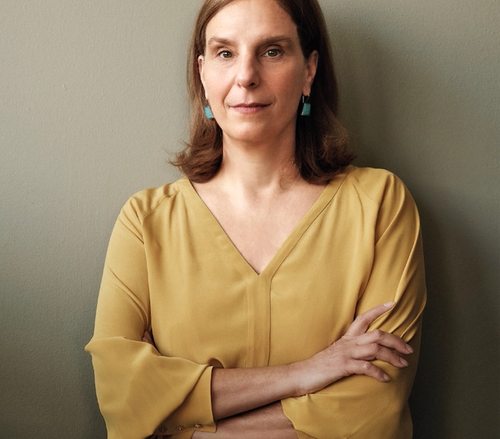
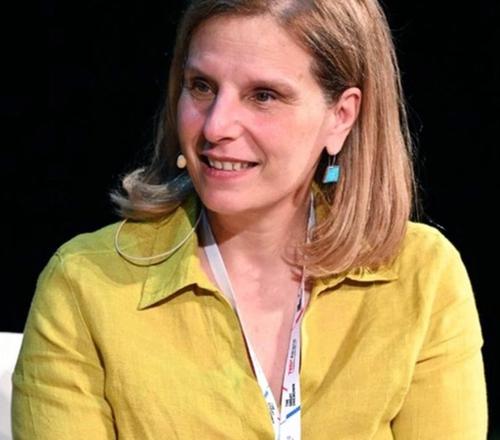
Eleni Myrivili is an anthropologist who became, by way of Athens, the most consequential civil servant in the global fight against extreme heat. In June 2022 she was appointed the world's first Global Chief Heat Officer, a joint role for UN-Habitat and the Atlantic Council's Arsht-Rock Resilience Center — a title that did not exist until someone had to invent it, and Athens is the reason it was her.
“Heat is the silent killer.”
She has the credentials of an academic rather than a bureaucrat. She earned her PhD from Columbia University's Department of Anthropology in 2004 and holds a tenured position at the University of the Aegean's Department of Cultural Technology & Communications. In 2020 she was a Loeb Fellow at Harvard's Graduate School of Design, the year she started thinking seriously about heat as a design problem rather than a weather problem.
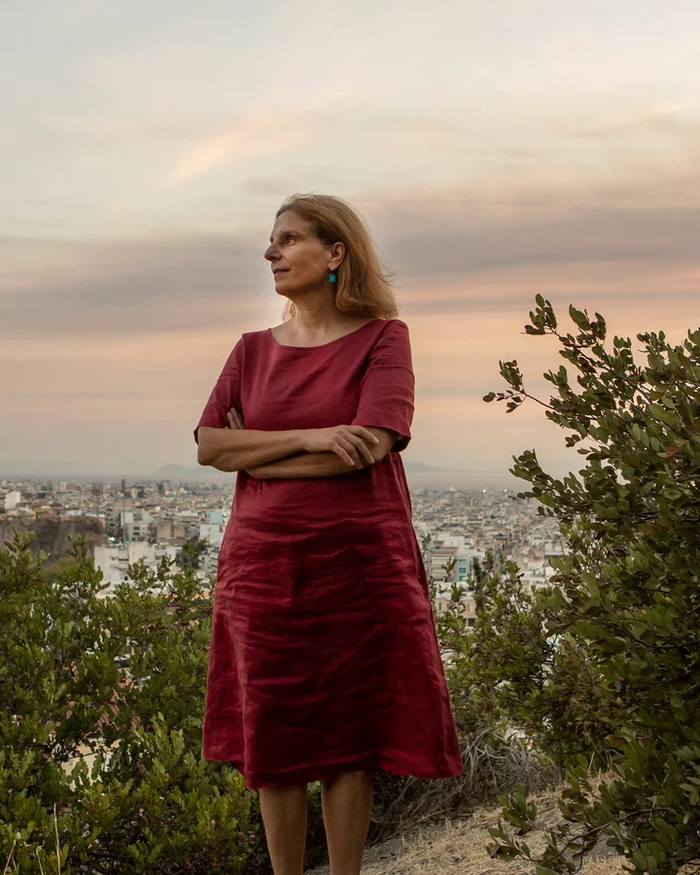

Her political education came at Athens city hall. Elected in 2014, she served through 2019 as Deputy Mayor for Urban Nature, Resilience and Climate Adaptation — pedestrianising streets, threading green corridors and pocket parks through dense neighbourhoods, restoring buried streams and public fountains, and pushing back against a city built almost entirely around the car. "The battle against heat," she has said, "is really a battle to reclaim public space."
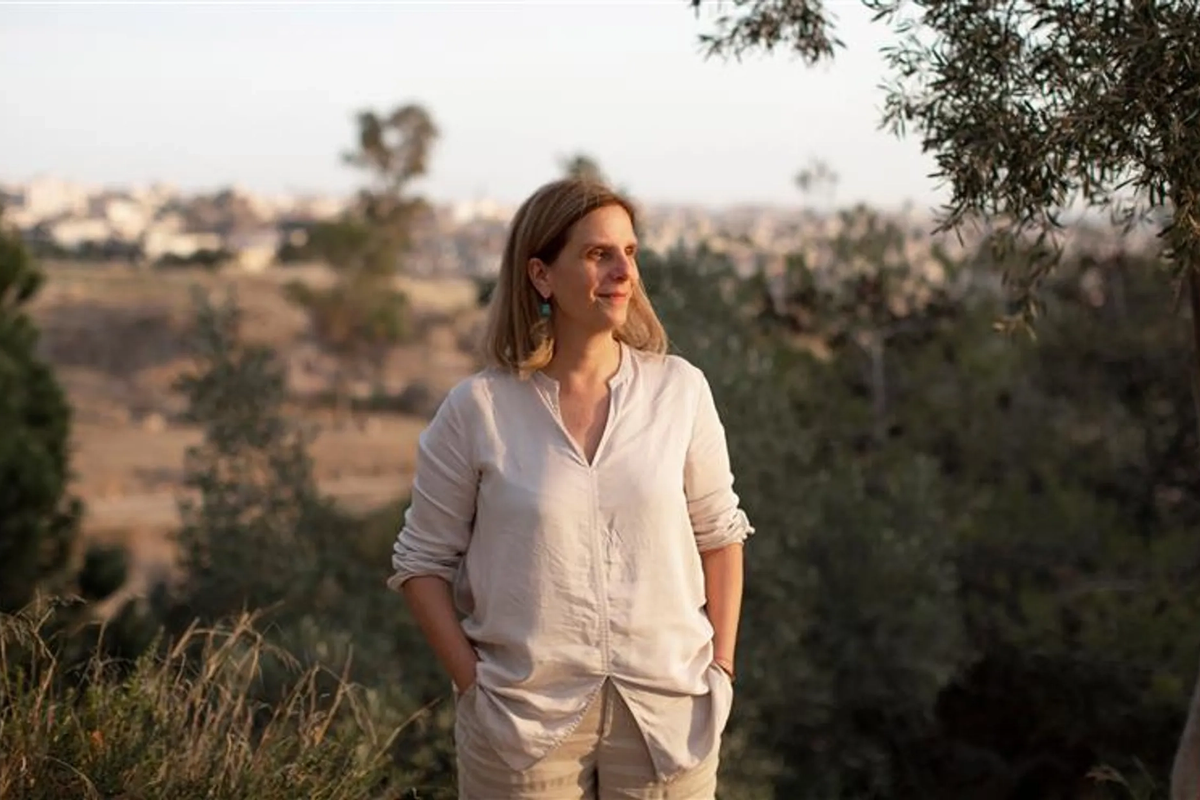
In July 2021, Mayor Kostas Bakoyannis appointed her Europe's first Chief Heat Officer — a position created specifically for Athens, and for her. The brief: reflective rooftops, shade mapping, tree-planting corridors, and public cooling centres under the Cool Athens programme. The harder job was rhetorical — convincing officials and the public that heat deserved to be named and ranked with the same seriousness as a hurricane or a flood, rather than treated as background weather.
That argument became her signature contribution: a health-based heatwave categorisation and naming system, developed with Arsht-Rock and calibrated city by city — factoring in humidity, night-time temperatures that prevent the body from recovering, and local mortality data, not just a thermometer reading. Athens adopted it, and in the summer of 2023 triggered a Level 3 alert at 46°C, mobilising cooling centres and public warnings under a system she had built specifically for that moment. "We call it the silent killer," she says, "because most people don't understand how dangerous it is."
The recognition followed the work rather than the other way around: Politico named her 'The Trailblazer' on its 2022 list of the 28 most influential Europeans; Nature included her in its 2023 list of ten people who helped shape science; Earth.org listed her among ten women leading the fight against climate change; and in 2023 the University of Pennsylvania awarded her the Lawrence C. Nussdorf Urban Leadership Prize. She has addressed the UK House of Commons and spoken at TED Global.
She now works across the machinery that decides how cities survive their own summers: Nonresident Senior Fellow at the Atlantic Council's Arsht-Rock Center, a fellow with UNEP, a member of the European Commission's Mission Board for Adaptation, an advisor to the World Bank on heat, and a board member of the WEF's Global Risks Report. Almost all of it traces back to one city, and one very hot summer she refused to let Athens sleepwalk through.