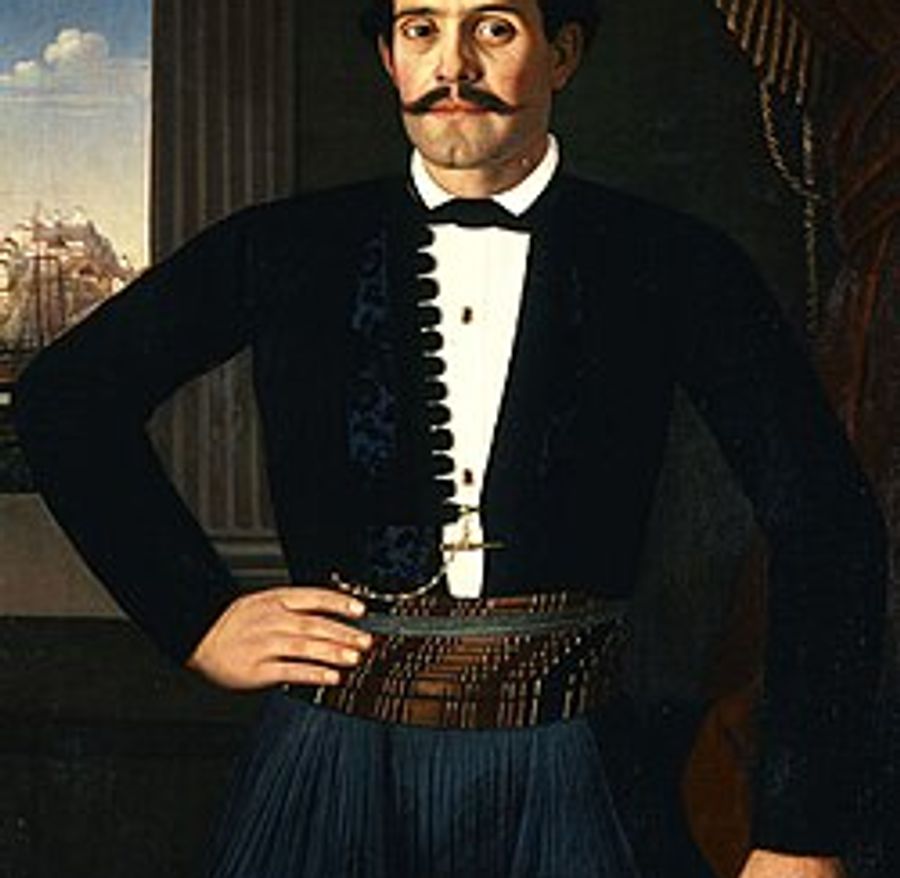
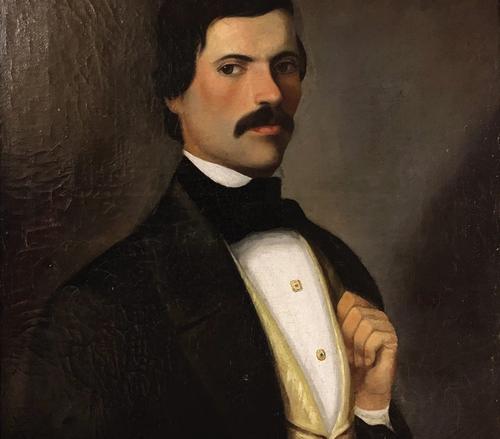
Andreas Kriezis (1887–1962) was born on Hydra and studied architecture in Munich — German training that shows in the discipline of his elevations and the precision of his structural thinking. He returned to Athens to practise in the early decades of the twentieth century, working across the Neo-Eclectic and Neoclassical traditions that dominated Athenian architecture of the period.
“The most radical transformation of the building since its original construction.”
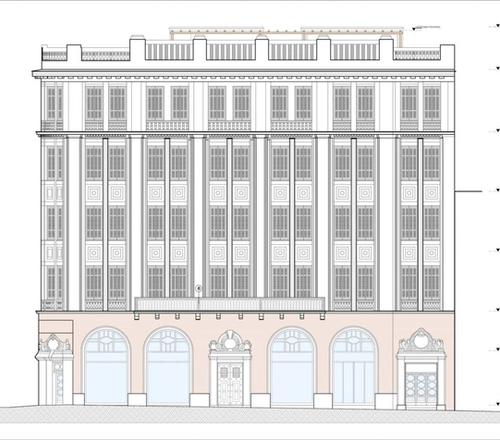
His two most significant surviving works define the range of his commissions. In the 1920s he designed the Kallimasiotis mansion in Kolonaki for industrialist Dimitrios Kallimasiotis — a building he conceived as a mélange of eclecticism and neoclassicism, drawing ornamental elements from multiple eras into a single coherent composition. That building stood through successive incarnations — private residence, fabric emporium, years of neglect — until Grecotel's seven-year renovation opened it as The Dolli hotel in January 2023. The listed facade and interiors Kriezis designed are the reason the building still exists.
The larger commission came in 1929, when the government of Eleftherios Venizelos decided to move both chambers of Parliament — the Parliament and the Senate — from Stadiou Street into the Old Royal Palace overlooking Syntagma Square. Kriezis was given the task of transforming a royal residence into a legislature. The Hellenic Parliament's own records describe the intervention as the most radical transformation of the building since its original construction: the central wing was demolished, a new wing housing both debating chambers was built in its place, and a new northern entrance was added — a portico of six Doric columns, designed to sit in proportion with the two existing porticoes on the west and east façades without altering the building's essential neoclassical character. The first parliamentary session in the converted building was held on 1 July 1935.
Public records of his broader work remain thin — cited in building deeds, named in passing, rarely profiled at length. Two buildings survive as the clearest evidence of what he could do.