Ano Petralona
Taverna Oikonomou.
The taverna on the corner of Troy and Kydantidon, since 1930.
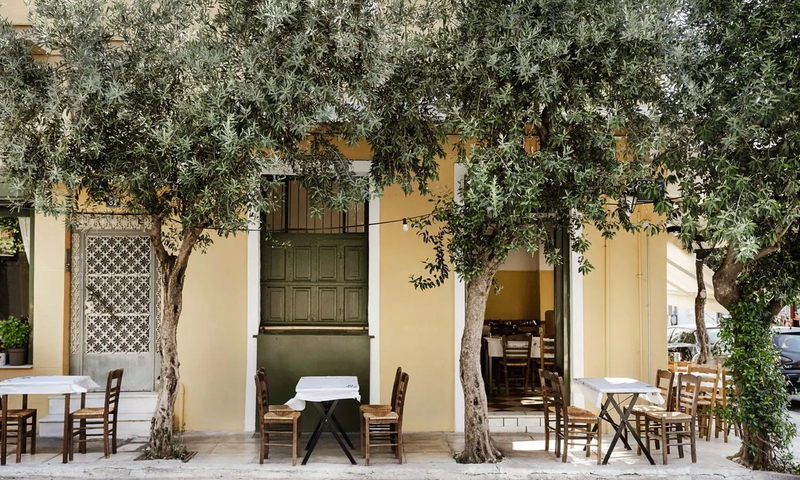
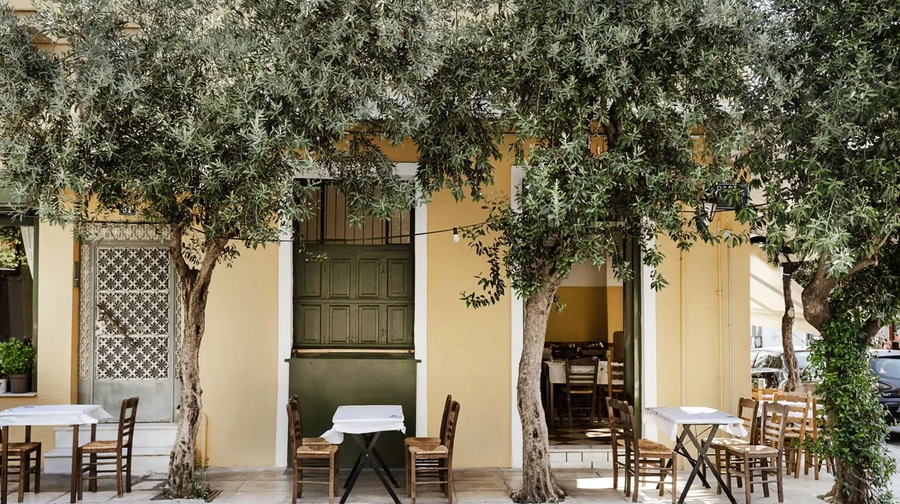
A 1930 magheirio on the corner of Troon and Kydantidon in Ano Petralona, now in its third stewardship: founder Yiannis Oikonomou, then Kostas Diamantis for over two decades, and since 2023 Filippos Tsangridis, who bought it intent on changing as little as possible. The same cook, Garoufallia, has run the kitchen for twenty-five years. Fifteen to twenty stewed dishes daily, no microwave, paintings by Alekos Fasianos on the walls, olive trees over the outdoor tables. Closes in on its hundredth year in 2030.
The building on the corner of Troon and Kydantidon dates to 1918 — originally Yiannis Oikonomou's house, with a single pot on the stove. He opened a taverna inside it in 1930 under the name Zefyros, serving whatever came out of that one pot and, occasionally, two or three dishes from the oven. His son Nikos took over in 1950 and ran it for a time as a combined butcher's shop and taverna; by 1972 the butcher's side closed and the place settled into the form it's kept since: a magheirio, a stewed-food kitchen, nothing more and nothing less.
Kostas Diamantis took over in 2000, after what he has described as being put through a genuine vetting process by the outgoing owner — character, work ethic, whether he loved the place enough to keep it on its own line rather than reshape it. He ran it for over two decades with almost nothing changed, partly because regulars as influential as the painter Alekos Fasianos wouldn't have allowed otherwise. After retiring, Diamantis passed the taverna to Filippos Tsangridis, a shipping-family heir who also owns Gallina in Koukaki. Tsangridis has been explicit about his intention: change nothing while changing very little — fresh paint, better bread sourced from Kora Bakery, produce upgraded to small Greek growers and farms, the kitchen itself left alone.
The board changes daily. The address doesn't.
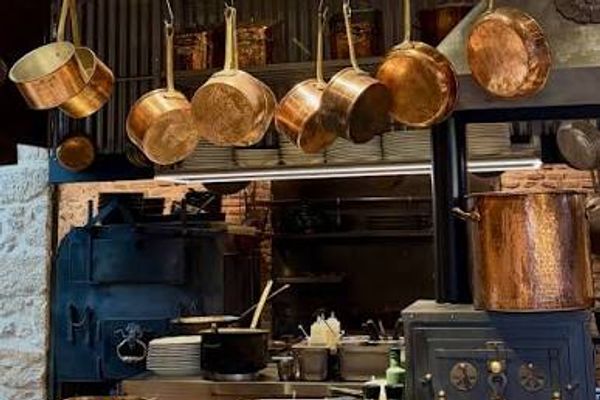
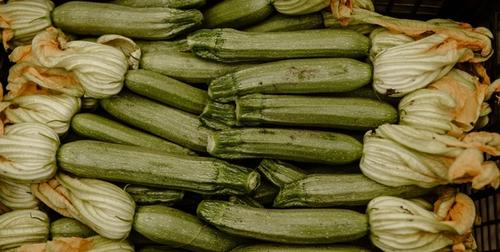
The cooking has stayed with Garoufallia, the kitchen's cook of twenty-five years, who still makes the same stewed dishes the same way — ladera vegetable stews, stuffed cabbage leaves, kokkinisto, stifado. Roast lamb, macaroni with rooster, and whatever the morning market provided round out a board that runs fifteen to twenty dishes a day, all cooked fresh, none reheated, no microwave on the premises.
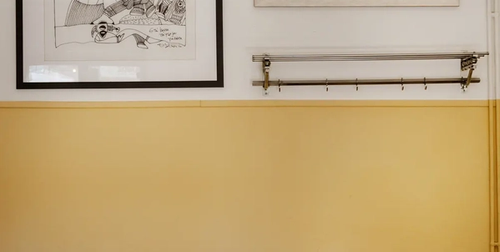
Decades of regulars left their mark on the walls. Paintings by Fasianos and several other significant Greek artists hang where the artists themselves placed them, gifts to the owners over the years. A small shelf of books belonging to the writer Kostis Papayiorgis, who ate here every Thursday with the same group for years, sits untouched at the table beside the kitchen where he always sat. Olive trees shade the outdoor tables on the pavement, white tablecloths, wooden chairs, blue shutters that look like they've been there since the building was a house.
The wine list has quietly become serious — a small, well-chosen run of labels from significant Greek winemakers at value-for-money prices, a recent addition that sits comfortably beside the house carafe wine without overtaking it. No music inside; conversation carries the room instead. Weekday evenings from 19:00, weekends from lunch onward. In 2030 the taverna turns one hundred years old in the same spot.
1930
Year
€€
Price