Kolonaki
Cine Dexameni.
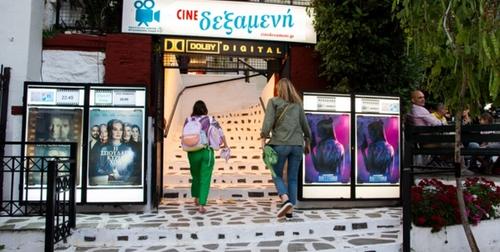
Open-air cinema above a Roman reservoir. Dexameni Square, Kolonaki.
Cine Dexameni operates each summer above Hadrian's Reservoir — a Roman cistern built between 125 and 140 CE at the western base of Lycabettus, supplied by a 19-kilometre aqueduct cut through solid rock from Mount Parnitha. One of Athens' oldest and best-loved open-air cinemas, the screen sits over the reservoir's stone roof while the original vaulted chamber remains sealed below. Dexameni Square, Kolonaki.
Dexameni Square sits at the edge of Kolonaki, pressed against the western slope of Lycabettus. The square takes its name from the structure beneath it — dexameni means reservoir in Greek. Emperor Hadrian commissioned the cistern in 125 CE; construction ran the length of a 19-kilometre aqueduct cut manually through solid rock from Mount Parnitha, and the reservoir was completed under Antoninus Pius in 140 CE. It served Athens' water supply for over a thousand years, was abandoned during the Ottoman period, and its aqueduct briefly restored in 1847 before the Marathon Dam made it redundant in 1929.
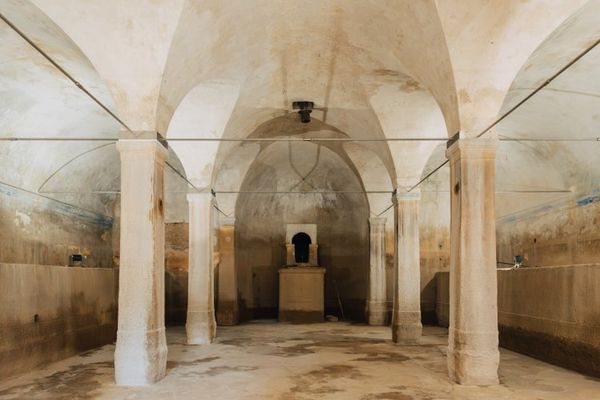
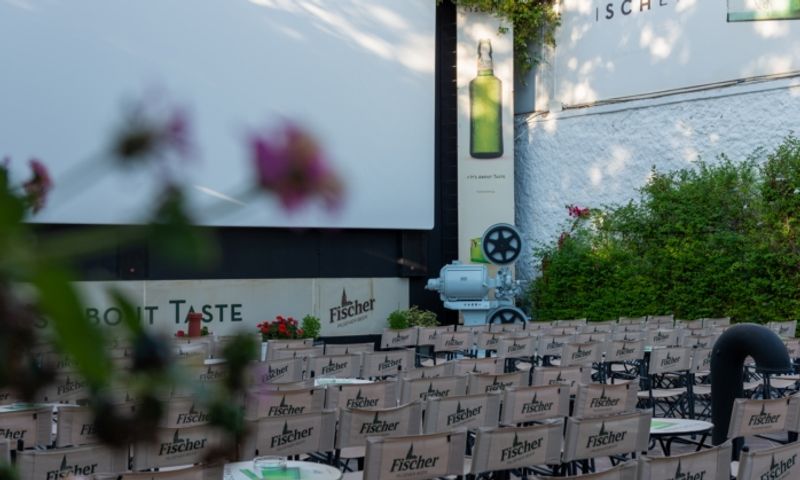
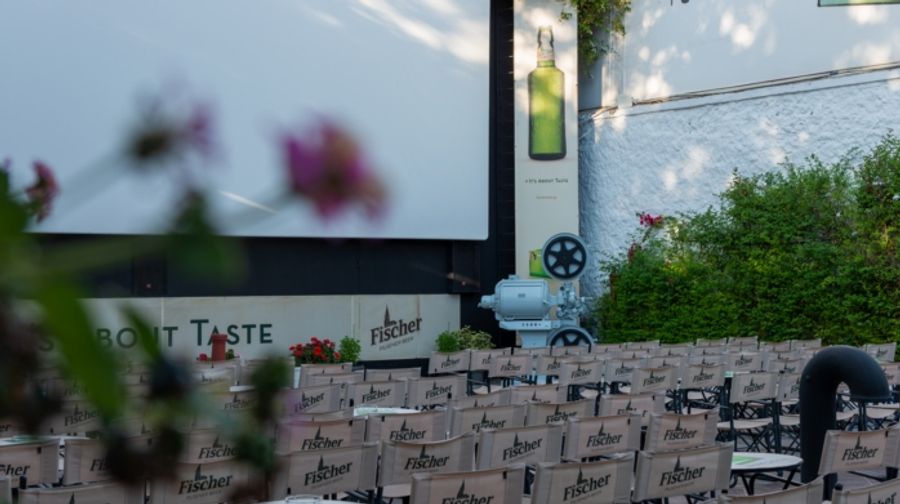
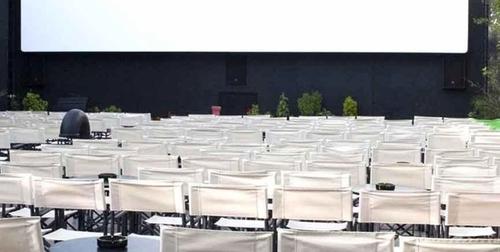
Cine Dexameni was built on the reservoir's roof. The seats face the screen across the same stone surface that once held the city's water supply. The vaulted interior below — supported by its original columns — is inaccessible on most days; large portals on the western wall offer a view into the chamber. Each year on 6 January, the Orthodox feast of the Epiphany, the reservoir is opened for the Blessing of the Waters: a priest immerses a cross and sprinkles the gathered crowd with water drawn from a structure nearly two millennia old.
The seats sit on a Roman roof. Below: 1,900 years of vaulted stone and still water.
The cinema runs through the Athenian summer — the kind of institution most cities talk about wanting and few actually sustain. Wooden seats, Lycabettus lit above, the smell of whatever is growing in the square. Tickets at the door or online.
€
Price