Kolonaki
Hadrian’s Reservoir.
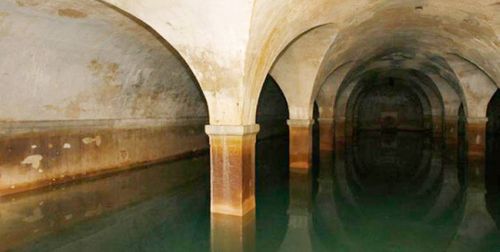
Roman cistern below Dexameni Square. Built 125 CE. Still structurally intact.
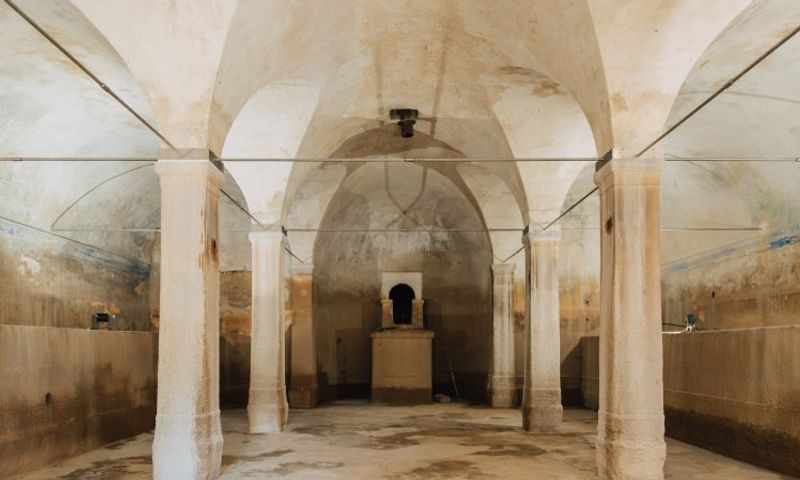
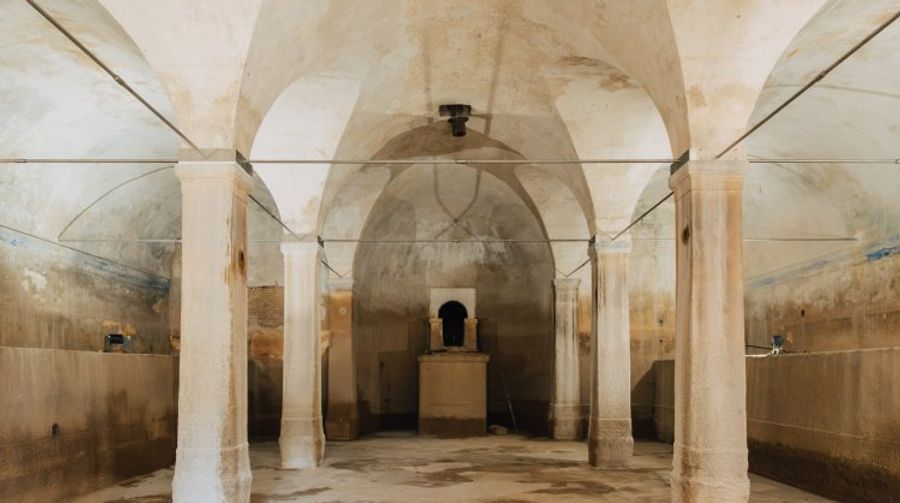
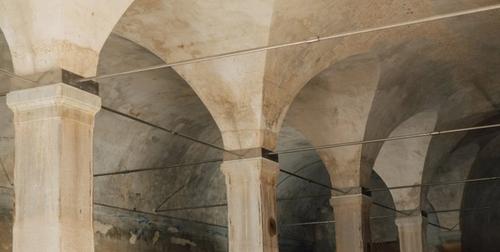
Hadrian’s Reservoir is a Roman cistern at the western base of Lycabettus, commissioned by Emperor Hadrian in 125 CE and completed under Antoninus Pius in 140 CE. Fed by an aqueduct approximately 25 kilometres long cut through solid rock from Mount Parnitha, it supplied Athens with water for over a thousand years. The vaulted interior remains structurally intact. A plain 19th-century white building in Dexameni Square — whose name literally means reservoir — marks the entrance. Cine Dexameni operates directly above.
Emperor Hadrian commissioned this reservoir in 125 CE, part of a wider building programme that transformed Roman Athens. An aqueduct roughly 25 kilometres long was cut mostly underground through solid rock from Mount Parnitha to the western base of Lycabettus. Construction was completed in 140 CE under Hadrian’s successor, Antoninus Pius. At the entrance stood a propylon of four Ionic columns bearing a dedicatory architrave to both emperors. The propylon was demolished in the late 18th century; a fragment of the inscription survives in the National Gardens near the Children’s Library.
The structure served Athens’ water supply for over a thousand years. It was abandoned during the Ottoman period, when most residents reverted to wells. The aqueduct was partially restored in 1847 and remained a secondary source until the Marathon Dam made it redundant in 1929. Today it is considered Europe’s longest functional underground water channel. Water still reaches the cistern — it now drains directly into the sewer. Authorities have proposed reintegrating the system for non-potable use.
Twenty-five kilometres of carved rock from Parnitha to the base of Lycabettus. The water still arrives. It goes into the sewer now.
Access inside is restricted. The entrance is a small white 19th-century building in Dexameni Square, unremarkable from the street. Large portals on the western exterior wall give a view into the vaulted chamber. On 6 January each year, the Orthodox Epiphany brings the local congregation to the square: the cistern is opened, a priest immerses a cross into the water, and sprinkles the crowd — one of the few moments the interior comes into regular view.
125
Year