Neighbourhood · Kolonaki & Exarchia
Exarchia.
Εξάρχεια
Murals, rebetika in a basement, a Saturday market on Kallidromiou and a kafenio where Kasparov once played.
- Street art
- Bookshops
- Vinyl
- Rebetiko
Our edit: 4 restaurants, 4 bars and 1 place.
A day in Exarchia
Exarchia has a reputation, and the murals and political posters earn it. Students, artists and anarchist bookshops share a few blocks between Kolonaki and Strefi Hill. Look past the headlines and you will also find serious wine, serious coffee and a good reason to be up early on a Saturday.
Saturday morning
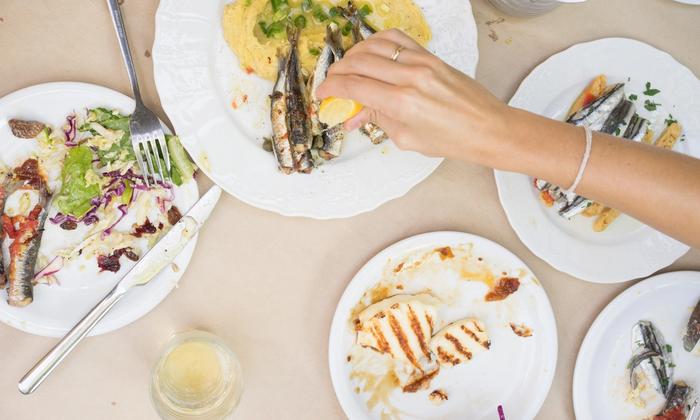
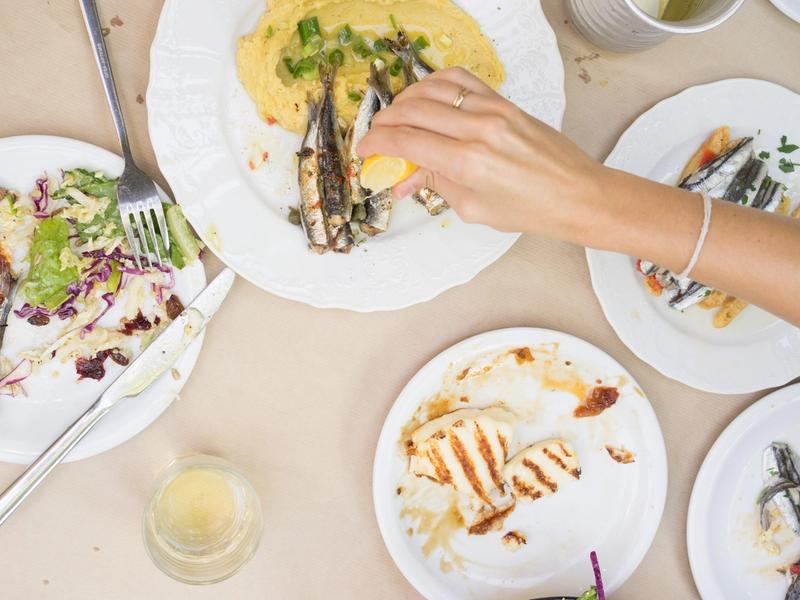
The farmers' market fills Kallidromiou every Saturday: fruit and vegetables, fish, herbs, olives and honey, on a street that made the Financial Times list of the world's best food markets. Lunch is already on the same street at Ama Lachei, number 69, a terrace where the menu follows what came in that morning and the wine list is Greek only.
Any other morning
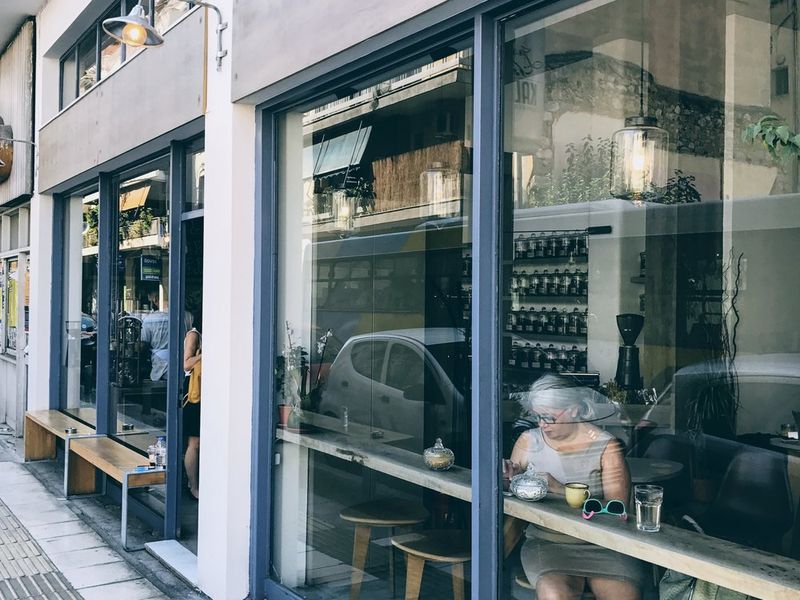
Ippokratous has two addresses. Kaldi Kafekopteio at 164 is a tiny shop that grinds to order, Greek, espresso or filter, and most people take it to go. Hygge Athens at 192 is Anne Meurling's bakery in an old family bakery: long-ferment sourdough, kanelbullar and cardamom buns, with a menu by the Danish baker Jesper Gøtz.
Afternoon
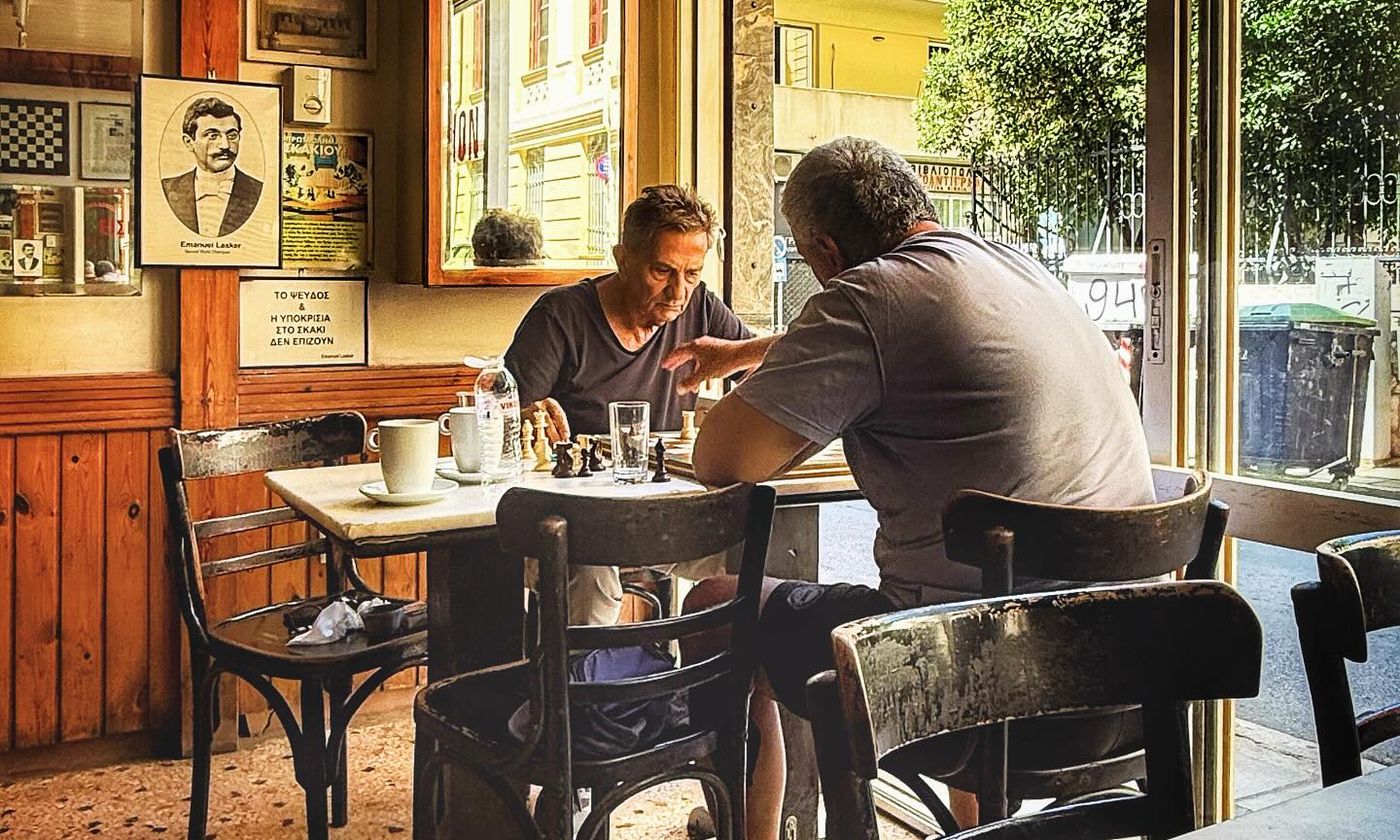
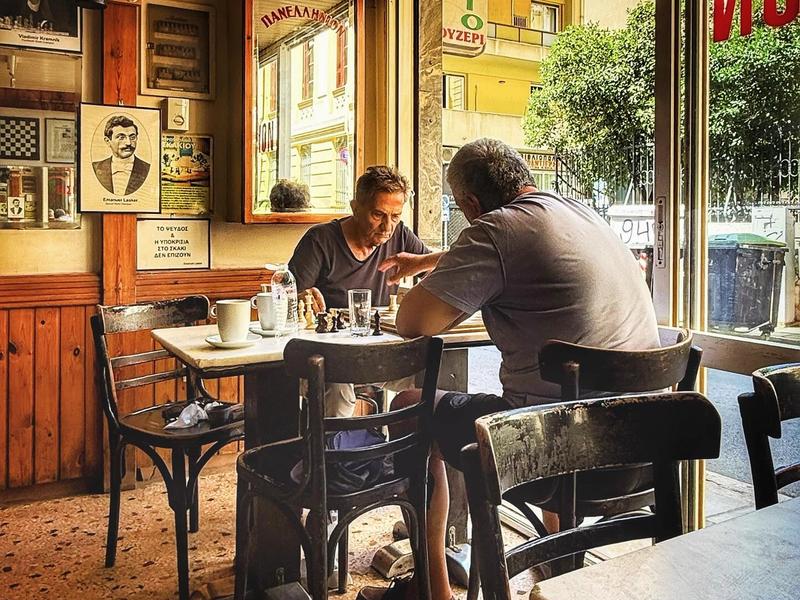
Panellinion on Mavromichali has been a kafenio since 1885, with chess on every table and Greek coffee on a gas flame. No music, no Wi-Fi, cash only. Kasparov played thirty regulars here at once in 1992 and beat them all. Then head to Ninetto Gallery on Leoforos Alexandras, which runs four shows a year.
Evening
Girafe Athens on Kallidromiou pours 135 labels from 18 countries, almost all by the glass through Coravin, and the kitchen cooks with the wine in mind. Erli Athens on Themistokleous is the newer corner: seven signature cocktails, 23 wines and small plates from the afternoon on.
Late
Finish at Wreck of Angels, a small basement on Stournari that fills completely for live rebetika, the music that came from Anatolia with the Greeks displaced in 1922. Bouzouki, baglamas and smoke until dawn. Go late.
Edited by Aki Sumawaki
Drink
Where to drink in Exarchia
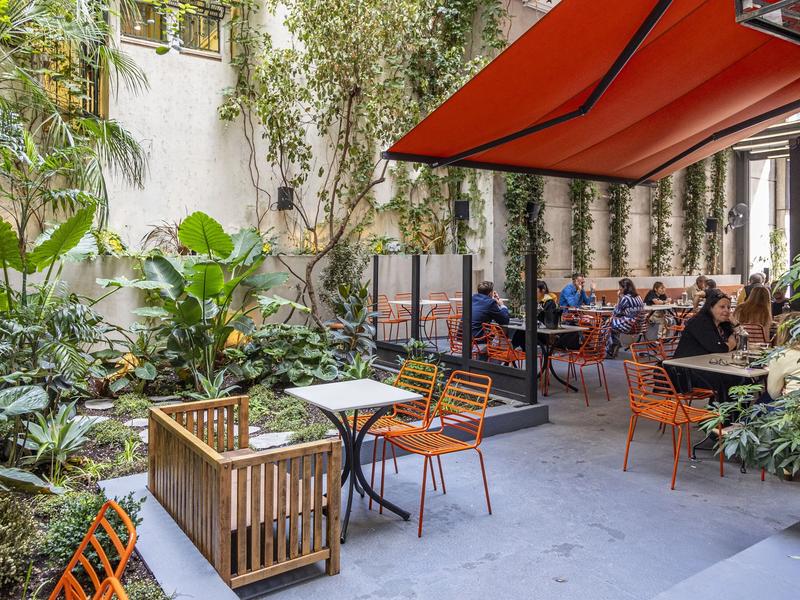
All-Day Bar
Sinafi
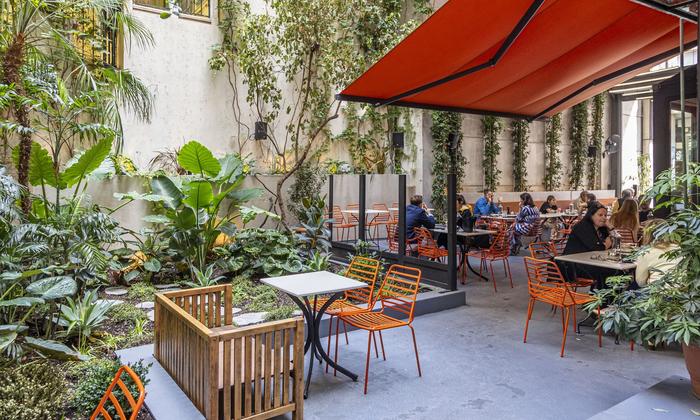
A hidden garden courtyard where the cocktails come fizzy from the tap.
Year
2026
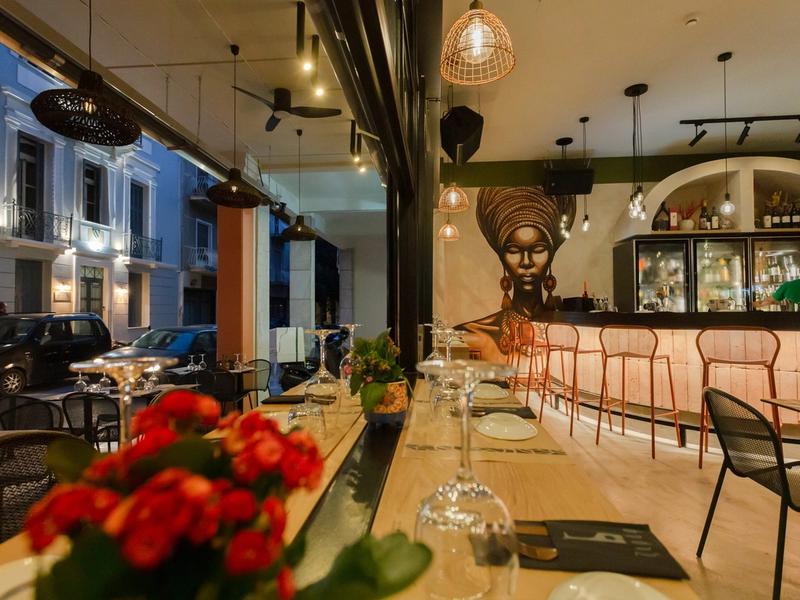
Wine Bar
Girafe Athens
Nearly the whole list, by the glass.
Year
2025
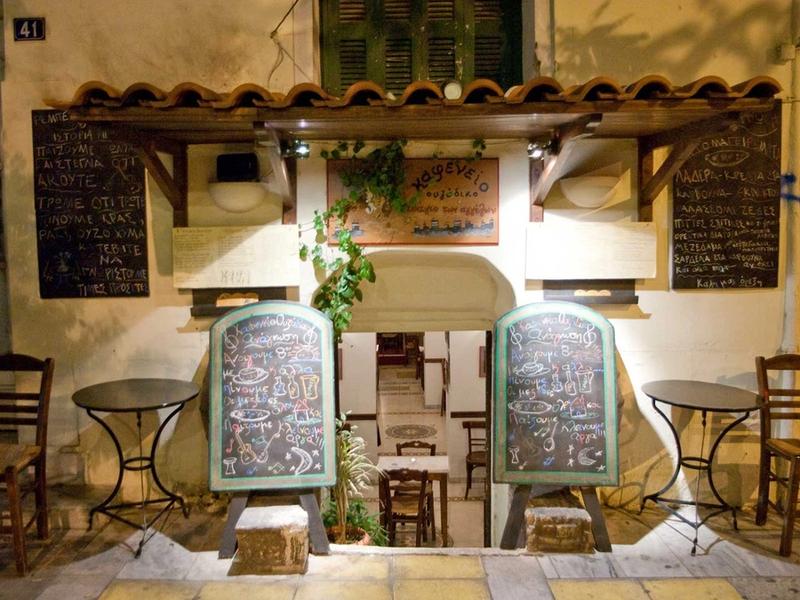
Rebetika
Wreck of Angels
Bouzouki, baglamas and smoke until dawn.
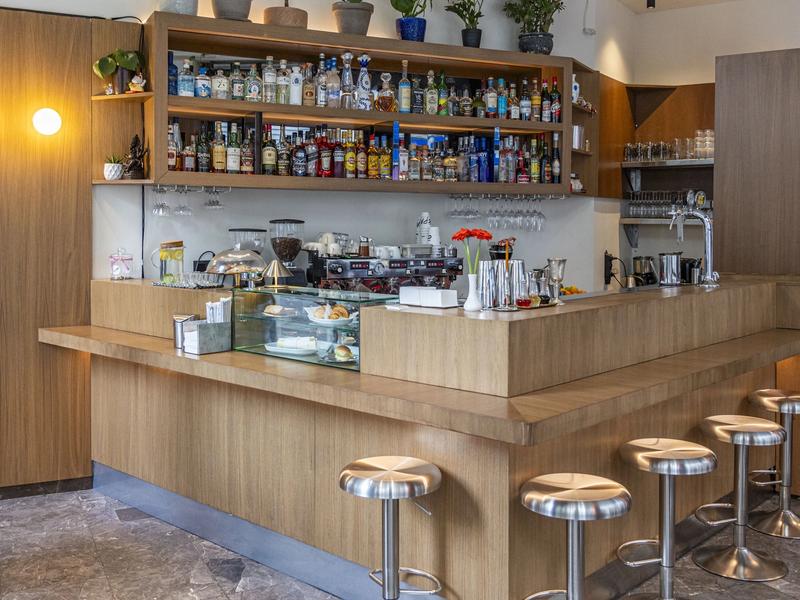
All-Day Bar
Erli
A corner bar that runs from the first coffee to the last cocktail.
Year
2025
See